


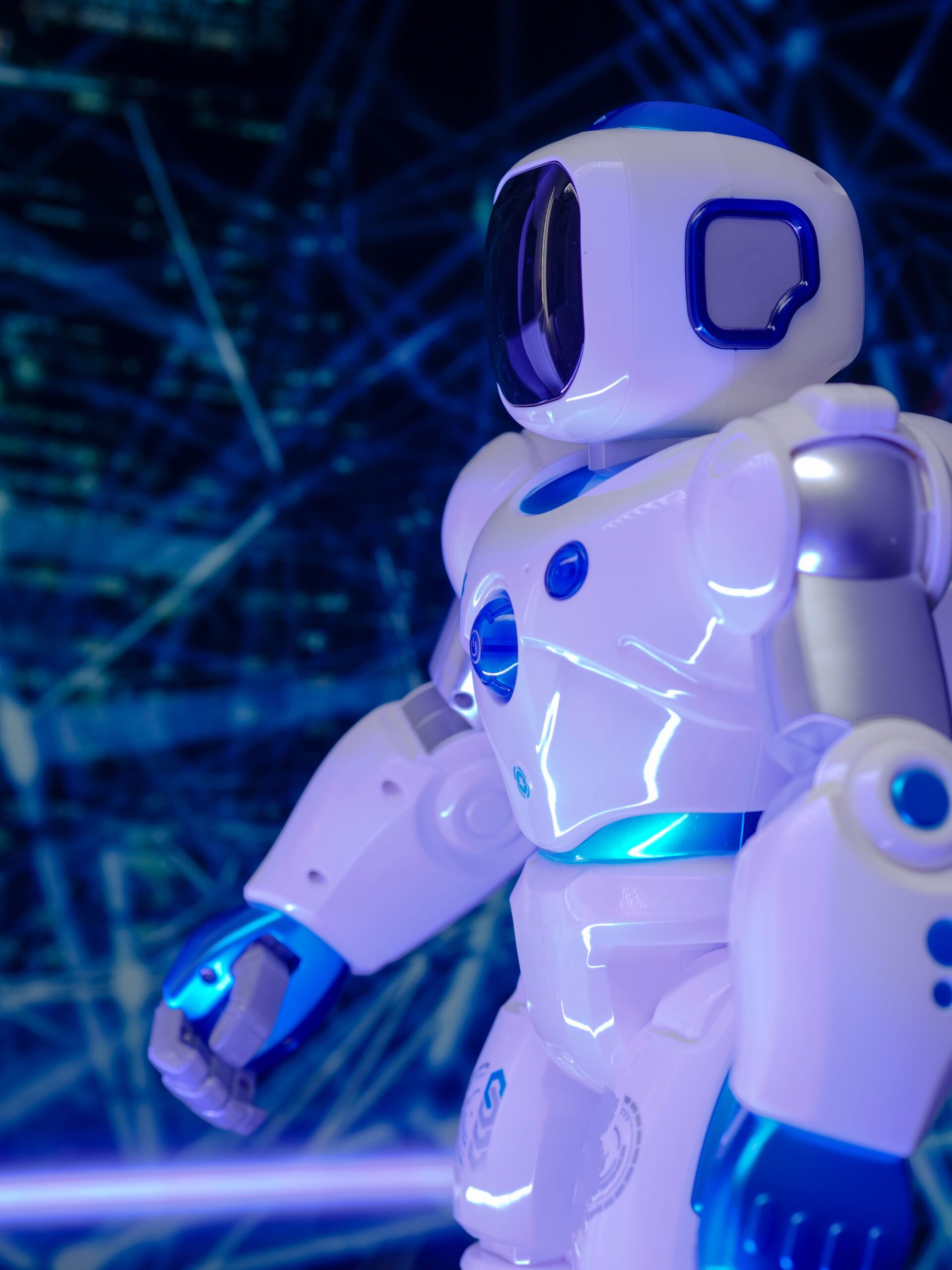
Humanoid Robot: The Future of Intelligent Machines
A humanoid robot is no longer just a science fiction concept. Thanks to rapid advances in artificial intelligence, sensors, robotics engineering, and machine learning, humanoid robots are becoming more capable every year. From assisting workers in factories to supporting healthcare professionals and even performing household tasks, these intelligent machines are reshaping the future.
Major technology companies and robotics startups are investing billions of dollars into humanoid robotics because they believe human-like robots could solve labor shortages, improve workplace safety, and automate repetitive tasks.
In this guide, you’ll learn what a humanoid robot is, how it works, where it’s being used today, and why experts believe next-generation robots will become an important part of everyday life.
Table of Contents
- What Is a Humanoid Robot?
- How Humanoid Robots Work
- Major Components of a Humanoid Robot
- Why Humanoid Robotics Is Growing Rapidly
- Applications Across Different Industries
- Humanoid Robots vs Quadruped Robots
- Unitree Robot News and Market Trends
- The Role of CAD in Humanoid Robot Design
- Giant Robots in Entertainment and Engineering
- Futuristic Robot Technologies Changing the Industry
- Challenges Facing Humanoid Robotics
- The Future of Advanced Robotics
- Frequently Asked Questions
- Final Thoughts
What Is a Humanoid Robot?
A humanoid robot is a robot designed with a body structure similar to a human. Most humanoid robots include:
- A head with cameras and sensors
- Two arms with multiple joints
- Hands capable of gripping objects
- Two legs for walking and balancing
- AI-powered software for decision-making
Some humanoid robots closely resemble humans, while others focus mainly on functionality rather than appearance.
Unlike traditional industrial robots that remain fixed in one location, humanoid robots are designed to move through environments built for people. This allows them to operate in warehouses, hospitals, offices, retail stores, and homes without requiring major infrastructure changes.
How Humanoid Robots Work
Modern humanoid robots combine several advanced technologies into one intelligent system.
Artificial Intelligence
AI enables robots to recognize people, understand speech, analyze surroundings, and make decisions based on real-time information.
Computer Vision
Multiple cameras help robots identify objects, avoid obstacles, recognize faces, and navigate unfamiliar environments.
Motion Planning
Sophisticated algorithms calculate thousands of body movements every second to maintain balance while walking, climbing stairs, or lifting objects.
Sensors
Force sensors, gyroscopes, LiDAR, and depth cameras continuously monitor the robot’s surroundings.
Electric Actuators
High-performance motors allow precise movement in the arms, legs, neck, and fingers.
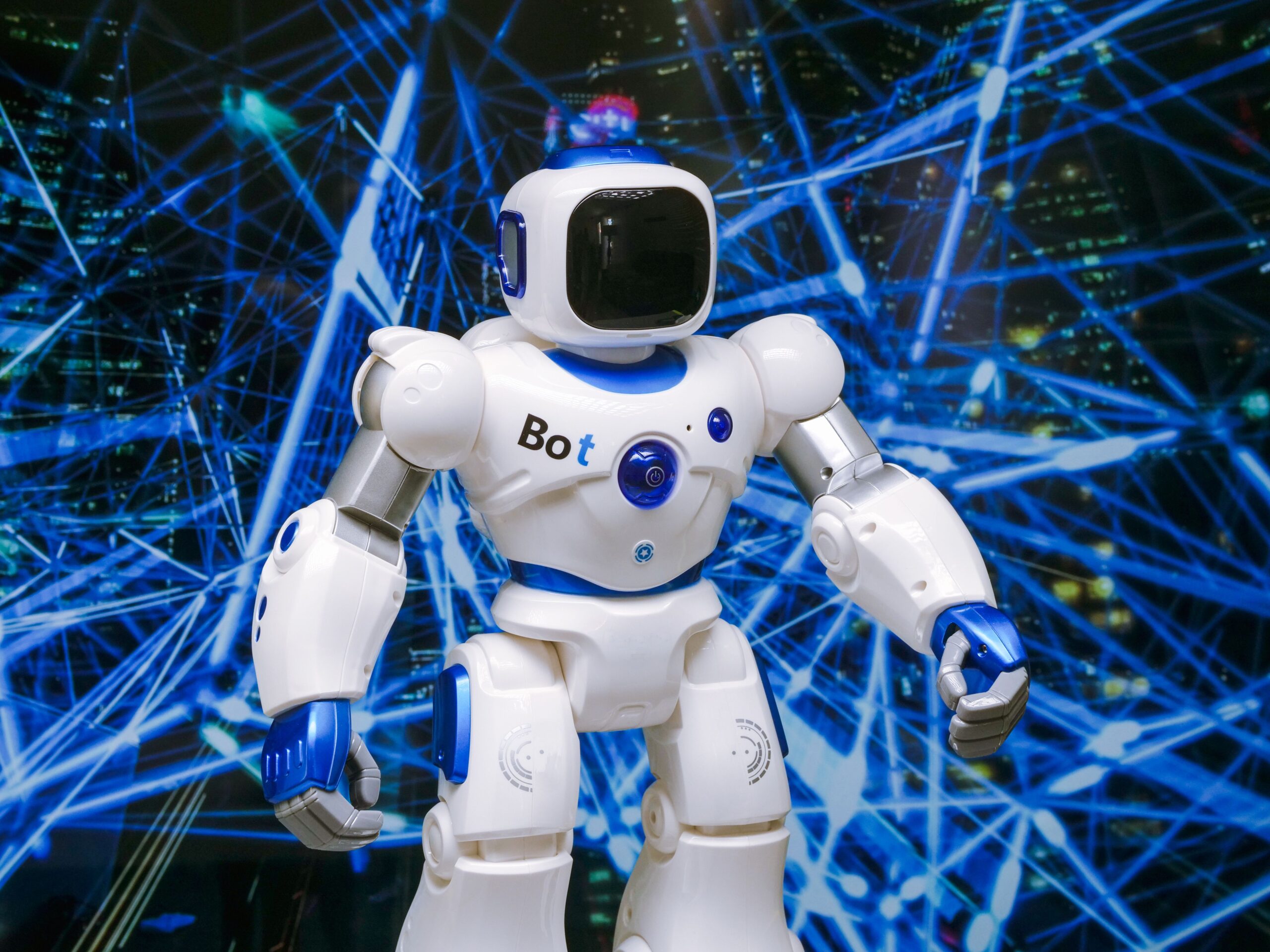
Major Components of a Humanoid Robot
Every modern humanoid robot consists of several important systems working together.
Mechanical Structure
The frame provides stability while keeping the robot lightweight and durable.
Robotic Hands
Advanced robotic hands can perform delicate tasks such as holding tools, assembling products, or picking up fragile items.
Vision System
Multiple cameras create a three-dimensional understanding of the environment.
AI Processor
Powerful onboard computers process enormous amounts of sensor data every second.
Battery System
Most humanoid robots rely on rechargeable lithium batteries that provide several hours of operation.
Why Humanoid Robotics Is Growing Rapidly
The demand for humanoid robotics continues to rise because many industries face labor shortages and increasing operational costs.
Several factors are accelerating development:
- Better artificial intelligence
- More affordable sensors
- Faster computer processors
- Improved batteries
- Increased investment in robotics startups
- Rising demand for automation
As hardware becomes less expensive, humanoid robots are expected to become more common in commercial settings.
Applications of Humanoid Robots
Manufacturing
Factories use humanoid robots for repetitive assembly, quality inspections, equipment maintenance, and material handling.
Benefits include:
- Higher productivity
- Reduced workplace injuries
- Consistent quality
- 24/7 operation
Healthcare
Hospitals are exploring humanoid robots for:
- Delivering medications
- Transporting supplies
- Assisting elderly patients
- Supporting rehabilitation programs
They can reduce workloads for medical staff while improving patient care.
Warehousing
Warehouse automation continues to expand as companies seek greater efficiency.
Humanoid robots can:
- Pick products
- Move inventory
- Scan shelves
- Load shipments
Because warehouses are already designed for humans, humanoid robots can operate without extensive redesign.
Retail
Retail stores are testing robots that can:
- Restock shelves
- Guide customers
- Check inventory
- Answer common questions
Home Assistance
Although still developing, future household humanoid robots may:
- Clean rooms
- Cook meals
- Fold laundry
- Help elderly family members
- Monitor home safety
Humanoid Robot vs Quadruped Robot
Although both technologies belong to advanced robotics, they serve different purposes.
| Feature | Humanoid Robot | Quadruped Robot |
|---|---|---|
| Movement | Two legs | Four legs |
| Designed for Human Environments | Yes | Limited |
| Stability | Moderate | Excellent |
| Stair Climbing | Good | Very Good |
| Industrial Inspection | Good | Excellent |
| Human Interaction | Excellent | Limited |
A quadruped robot is generally better suited for rough terrain, construction sites, military applications, and inspection work. Four-legged robots maintain better balance and mobility across uneven surfaces.
Humanoid robots, on the other hand, excel in environments specifically designed for people.
Unitree Robot News: A Company Worth Watching
One of the fastest-growing robotics companies is Unitree Robotics.
Recent Unitree robot news has attracted worldwide attention due to the company’s affordable quadruped robots and expanding humanoid robot development.
Unitree focuses on:
- AI-powered mobility
- Industrial inspection robots
- Research platforms
- Commercial robotics
- Humanoid robot innovation
Its robots are increasingly used by universities, research labs, and technology companies for AI development and robotics testing.
CAD of Humanoid Robot Design
Before engineers manufacture a humanoid robot, they create a detailed CAD of humanoid robot models.
Computer-Aided Design (CAD) helps engineers:
- Test mechanical designs
- Simulate movement
- Reduce production costs
- Identify weak points
- Improve balance
- Optimize weight distribution
Modern CAD software significantly shortens product development cycles while improving reliability.
Giant Robot Technology
The phrase giant robot often reminds people of science fiction movies, but large robotic systems are also used in engineering and heavy industry.
Examples include:
- Large construction robots
- Mining equipment
- Heavy lifting machines
- Entertainment robots
- Theme park attractions
While human-piloted giant robots remain experimental, advances in hydraulics and AI continue pushing the boundaries of large-scale robotic engineering.
Giant Robots in Pop Culture
For decades, giant robots have inspired engineers through movies, anime, comics, and video games.
Many researchers admit that fictional machines sparked their interest in robotics during childhood.
Popular entertainment has helped make robotics more exciting and encouraged innovation in AI, automation, and mechanical engineering.
Anime Style Involving Giant Robots
One fascinating part of robotics culture is the popularity of anime style involving giant robots.
Often called “mecha,” these stories feature massive humanoid machines controlled by skilled pilots.
Although fictional, these designs inspire:
- Robotics students
- Mechanical engineers
- Industrial designers
- AI researchers
Many real-world robotic concepts first appeared in science fiction before becoming engineering research projects.
Futuristic Robot Technologies
The next decade may introduce entirely new capabilities for every futuristic robot.
Emerging technologies include:
Better AI
Robots will understand natural language more accurately and carry on longer conversations.
Improved Dexterity
Future robotic hands will perform delicate tasks nearly as well as humans.
Self-Learning Systems
Robots will continuously improve by learning from experience instead of relying solely on programmed instructions.
Longer Battery Life
Higher-capacity batteries will extend operating time significantly.
Cloud Robotics
Robots may share knowledge through cloud computing, allowing one robot’s experience to benefit thousands of others.
Challenges Facing Humanoid Robotics
Despite impressive progress, several obstacles remain.
High Costs
Humanoid robots are still expensive to manufacture.
Battery Limitations
Long operating hours remain difficult due to battery constraints.
Complex Movement
Walking like a human requires constant balance adjustments.
Safety
Robots working alongside people must safely detect unexpected situations.
Regulations
Governments are developing policies for AI safety and robotic deployment.
The Future of Advanced Robotics
Experts believe advanced robotics will become one of the most important technologies of the coming decades.
Future robots may work in:
- Airports
- Hospitals
- Hotels
- Restaurants
- Factories
- Farms
- Space missions
- Disaster response
- Elder care
- Smart cities
Combined with artificial intelligence, future robots will become more adaptable, more affordable, and increasingly useful in everyday life.
Frequently Asked Questions
What is a humanoid robot?
A humanoid robot is a machine designed to resemble the human body and perform tasks using artificial intelligence, sensors, cameras, and robotic actuators.
What is humanoid robotics?
Humanoid robotics is the field of engineering focused on designing, building, and programming robots with human-like movement and interaction capabilities.
Are humanoid robots replacing humans?
Not entirely. They are primarily intended to assist with repetitive, dangerous, or physically demanding tasks while working alongside people.
What is the difference between humanoid robots and quadruped robots?
Humanoid robots are built for human environments, while quadruped robots offer greater stability and are better suited for rough terrain and inspection work.
Why is CAD important in humanoid robot development?
CAD allows engineers to design, simulate, and optimize robotic structures before manufacturing, reducing costs and improving performance.
Final Thoughts
The humanoid robot is quickly evolving from an ambitious research project into a practical technology with real-world applications. Improvements in artificial intelligence, sensors, batteries, and mechanical engineering are enabling robots to perform increasingly sophisticated tasks in factories, hospitals, warehouses, and public spaces.
At the same time, innovations in humanoid robotics, quadruped robot platforms, and advanced robotics are expanding what machines can accomplish. Companies developing these technologies, along with exciting Unitree robot news, continue to demonstrate how rapidly the industry is advancing.
While challenges such as cost, safety, and battery life remain, the future is promising. As next generation robots become more capable and affordable, they are expected to play a significant role in improving productivity, supporting essential services, and transforming the way people live and work.
