


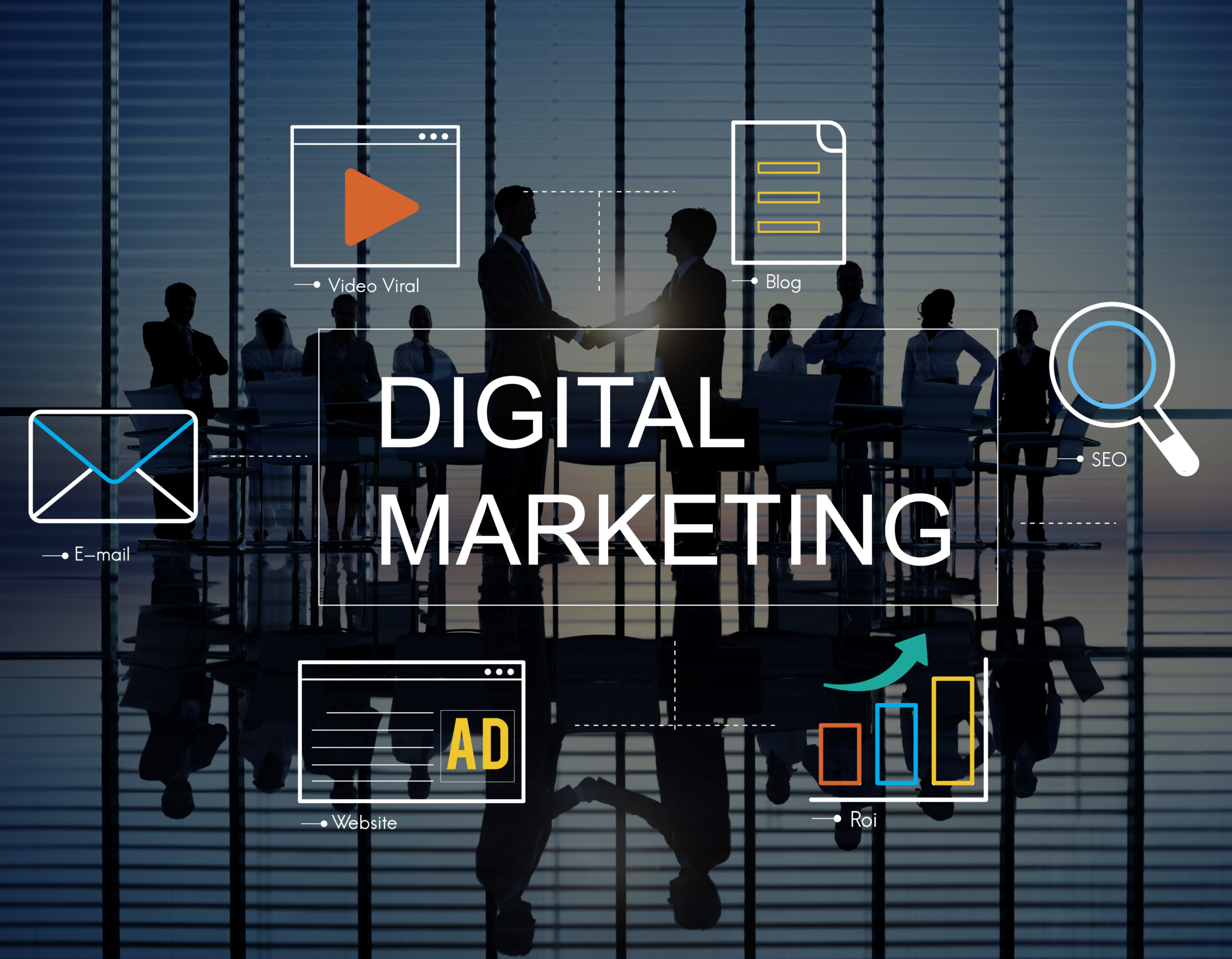
A digital marketing strategist helps businesses turn online marketing activities into a clear, measurable growth plan. Instead of randomly posting on social media, publishing blog articles, running advertisements, or sending emails, a strategist connects these activities to specific business goals.
In today’s competitive online environment, having a website is no longer enough. Businesses need a strategy that helps them reach the right audience, build trust, generate leads, and convert visitors into customers. This is where a digital marketing strategist can make a significant difference.
Whether you run a small business, an e-commerce store, a startup, or an established company, a well-planned digital marketing strategy can help you compete more effectively online.
What Is a Digital Marketing Strategist?
A digital marketing strategist is a professional who plans, coordinates, and improves a company’s online marketing efforts.
Their job is not limited to one marketing channel. Instead, they look at the complete digital marketing ecosystem. This may include:
- Search engine optimization (SEO)
- Content marketing
- Social media marketing
- Email marketing
- Pay-per-click advertising
- Conversion rate optimization
- Brand positioning
- Website performance
- Customer research
- Marketing analytics
The goal is to understand how different channels work together. For example, a business may use SEO to attract visitors from Google, content marketing to educate those visitors, email marketing to build relationships, and paid advertising to reach potential customers faster.
A digital marketing strategist creates a plan that connects these activities instead of treating each channel as a separate project.
What Does a Digital Marketing Strategist Do?
The exact responsibilities can vary depending on the business, but most strategists focus on several important areas.
1. Understand the Business and Its Goals
Before creating a marketing plan, a strategist needs to understand the business.
They may analyze:
- The company’s products or services
- Target customers
- Main competitors
- Current online presence
- Revenue goals
- Marketing budget
- Existing traffic and conversions
For example, a local service business may want more phone calls and local leads. An e-commerce company may focus on online sales, while a B2B technology company may need qualified leads from decision-makers.
The strategy should be built around the actual business objective, not simply around generating website traffic.
2. Research the Target Audience
Successful digital marketing starts with understanding the audience.
A digital marketing strategist studies what potential customers want, what problems they are trying to solve, and how they search for information online.
This research can include:
- Customer demographics
- Search behavior
- Buying motivations
- Common questions
- Pain points
- Online communities
- Competitor preferences
This information helps businesses create content and campaigns that are more relevant.
For example, a customer searching for “best accounting software for small businesses” may be researching options. Someone searching for “buy accounting software today” may be much closer to making a purchase.
Understanding this difference helps marketers create the right message for each stage of the customer journey.

The Role of SEO in Digital Marketing Strategy
SEO is one of the most important areas handled by many digital marketing strategists.
Search engine optimization helps businesses improve their visibility in search engines. However, modern SEO involves much more than simply adding keywords to an article.
A strong SEO strategy may include:
- Keyword research
- Search intent analysis
- Technical SEO
- On-page optimization
- Internal linking
- Content planning
- Website speed improvements
- Mobile optimization
- Link building
- Competitor analysis
A strategist may create content clusters around important topics. For example, a digital marketing website could create a main guide about online marketing and then publish supporting articles about SEO, social media, email marketing, content strategy, and paid advertising.
This structure can help search engines better understand the website’s expertise.
Content Marketing Strategy
Content is another major part of digital marketing.
Many businesses publish blog posts without having a clear purpose. A digital marketing strategist helps connect content with the customer journey.
Different types of content can serve different purposes.
Awareness Content
This content helps attract people who are discovering a problem or topic for the first time.
Examples include:
- Beginner guides
- Educational blog posts
- Industry trends
- Explainer articles
Consideration Content
At this stage, people are researching possible solutions.
Examples include:
- Product comparisons
- Case studies
- Detailed guides
- Expert reviews
Decision Content
This content helps customers make a final decision.
Examples include:
- Product pages
- Pricing pages
- Customer testimonials
- Demonstrations
- Free trials
A strong content strategy ensures that a business is not only attracting visitors but also helping them move toward a purchase.
Social Media and Brand Growth
Social media can help businesses build awareness, engage customers, and strengthen their brand.
However, a digital marketing strategist does not simply recommend posting every day. The strategy should depend on the audience and business goals.
Different platforms attract different types of users. A B2B technology company may focus on professional networks, while a lifestyle brand may perform better on visual platforms.
A strategist may help determine:
- Which platforms deserve attention
- What content should be published
- How frequently to post
- How to engage with followers
- Which content should be promoted
- How to measure results
The goal is to create meaningful business outcomes rather than chase vanity metrics such as likes and followers alone.
Paid Advertising and Campaign Strategy
Paid advertising can help businesses reach potential customers quickly.
Platforms such as search advertising and social media advertising allow businesses to target specific audiences. However, paid campaigns can become expensive when they are not properly planned.
A digital marketing strategist may help with:
- Campaign objectives
- Audience targeting
- Keyword selection
- Ad messaging
- Landing pages
- Budget allocation
- Conversion tracking
- Performance optimization
For example, a company may discover that one advertising campaign produces many clicks but very few customers. A strategist can analyze the entire process and determine whether the problem is the ad, the landing page, the offer, or the audience targeting.
Data and Marketing Analytics
One of the biggest advantages of digital marketing is the ability to measure performance.
A digital marketing strategist uses data to understand what is working and what needs improvement.
Important metrics may include:
- Organic traffic
- Conversion rate
- Cost per lead
- Customer acquisition cost
- Return on ad spend
- Email open rates
- Engagement
- Revenue generated
The most important metric depends on the business.
A high number of website visitors does not automatically mean a successful marketing campaign. If those visitors do not become leads or customers, the business may need to improve its targeting or conversion process.
Why Small Businesses Need a Digital Marketing Strategist
Small businesses often have limited budgets and resources. This makes strategic planning even more important.
Without a clear plan, a business may waste money on:
- Unfocused advertising
- Poor-quality content
- Unnecessary marketing tools
- Social media channels that produce no results
- SEO campaigns without clear objectives
A digital marketing strategist can help prioritize the activities most likely to produce results.
For example, a small local business may benefit more from local SEO and Google Business optimization than from spending heavily on multiple social media platforms.
The right strategy depends on the company, its audience, and its market.
Digital Marketing Strategist vs. Digital Marketing Specialist
These roles are related but not exactly the same.
A digital marketing specialist often focuses on a specific area, such as:
- SEO
- Paid advertising
- Social media
- Email marketing
- Content marketing
A digital marketing strategist usually takes a broader view.
The strategist considers how multiple channels work together and creates an overall marketing direction.
For example, a strategist may develop a plan that includes SEO, content marketing, email campaigns, and paid advertising. Specialists may then handle the execution of individual parts of that plan.
In smaller businesses, one person may perform both strategic and specialist responsibilities.
Skills of a Successful Digital Marketing Strategist
A strong strategist needs both analytical and creative skills.
Important skills include:
Strategic Thinking
They must understand the bigger picture and connect marketing activities to business goals.
SEO Knowledge
Search engine optimization remains essential for long-term organic visibility.
Data Analysis
Marketing decisions should be based on performance data rather than assumptions.
Content Strategy
A strategist must understand what type of content attracts, educates, and converts customers.
Customer Research
Understanding customer behavior is essential for creating effective marketing campaigns.
Communication
Strategists often work with business owners, writers, designers, developers, and advertising teams.
Adaptability
Digital marketing changes quickly. Search algorithms, advertising platforms, consumer behavior, and technology continue to evolve.
How to Choose the Right Digital Marketing Strategist
If you are hiring a strategist, do not focus only on promises of guaranteed rankings or overnight growth.
Instead, look for someone who:
- Understands your industry
- Asks questions about your business goals
- Uses measurable objectives
- Explains their strategy clearly
- Understands your target audience
- Provides realistic expectations
- Reviews data regularly
A good strategist should be able to explain not only what they recommend but also why the recommendation makes sense.
It is also helpful to ask about previous experience and results. While past performance does not guarantee future results, it can provide useful insight into their approach.
How Much Does a Digital Marketing Strategist Cost?
The cost can vary significantly depending on experience, location, business size, and the scope of work.
Some strategists charge hourly rates, while others offer monthly retainers or project-based pricing.
The services may include:
- Marketing audits
- SEO strategy
- Content planning
- Campaign development
- Analytics reporting
- Consulting
- Full digital marketing management
Instead of choosing the cheapest option, businesses should consider the potential return on investment.
A well-planned strategy can help reduce wasted advertising spending, improve website conversions, and create long-term organic traffic.
The Future of Digital Marketing Strategy
Digital marketing is becoming increasingly data-driven and personalized.
Artificial intelligence, automation, search technology, customer data, and new digital platforms are changing how businesses communicate with their audiences.
However, technology alone cannot replace strategic thinking.
Businesses still need to understand their customers, create valuable experiences, and communicate clearly.
The role of a digital marketing strategist will likely continue to evolve. Future strategists may use more automation and artificial intelligence while focusing even more on customer experience, brand trust, data analysis, and business growth.
Final Thoughts
A digital marketing strategist helps businesses move from random online marketing activities to a structured growth plan.
From SEO and content marketing to social media, paid advertising, analytics, and conversion optimization, a strategist looks at how different channels can work together.
For businesses that want sustainable online growth, having a clear strategy can be more valuable than simply doing more marketing.
The best digital marketing strategy is not necessarily the one with the biggest budget. It is the one that understands the audience, focuses on the right channels, measures meaningful results, and continuously improves based on real data.
Frequently Asked Questions
What is a digital marketing strategist?
A digital marketing strategist plans and manages online marketing strategies to help businesses attract customers, generate leads, increase sales, and grow their online presence.
What skills does a digital marketing strategist need?
Important skills include SEO, content marketing, data analysis, audience research, paid advertising, social media strategy, conversion optimization, and strategic planning.
Is a digital marketing strategist worth hiring?
For many businesses, yes. A strategist can help identify the most effective marketing channels, reduce wasted spending, and create a plan focused on measurable business results.
What is the difference between a digital marketer and a digital marketing strategist?
A digital marketer may focus on executing specific marketing activities, while a strategist typically creates the broader plan that connects multiple digital marketing channels to business goals.
