


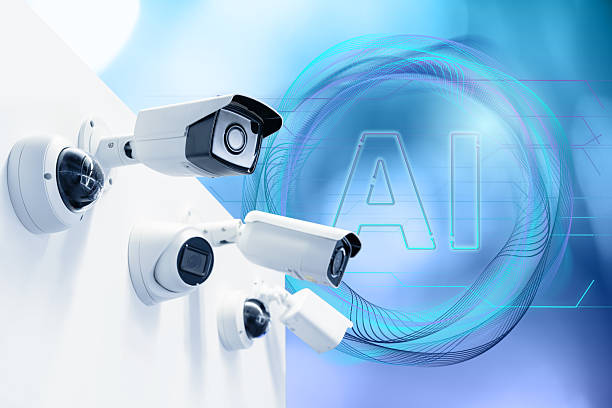
The edge ai camera news landscape is evolving faster than ever. From intelligent security cameras and smart city surveillance to factory automation and autonomous vehicles, Edge AI cameras are transforming how organizations capture, analyze, and respond to visual data.
Unlike traditional cloud-based AI systems, Edge AI cameras process images directly on the device. This reduces latency, improves privacy, lowers bandwidth costs, and enables real-time decision-making without relying on a constant internet connection.
As businesses increasingly adopt intelligent vision systems, manufacturers continue launching more powerful hardware, efficient AI chips, and advanced computer vision software. This article explores the latest developments, major industry trends, new technologies, real-world applications, and what the future holds for Edge AI cameras.
What Is an Edge AI Camera?
An Edge AI camera combines:
- High-resolution image sensors
- AI processors (NPUs or AI accelerators)
- Embedded computer vision software
- Local data processing
Instead of sending every video frame to the cloud, the camera analyzes footage locally and sends only meaningful information such as:
- Person detection
- Vehicle recognition
- License plate reading
- Defect detection
- Fire and smoke alerts
- Intrusion warnings
This dramatically improves speed and efficiency.
Why Edge AI Camera News Matters
Edge AI has become one of the fastest-growing segments in artificial intelligence because organizations now need:
- Faster decision making
- Better cybersecurity
- Lower cloud costs
- Improved privacy compliance
- Real-time automation
- Reduced network traffic
Industries ranging from manufacturing and healthcare to transportation and retail are investing heavily in AI-powered cameras.
Major Edge AI Camera News in 2026
1. Smarter AI Chips Continue to Improve
Modern Edge AI cameras now feature dedicated neural processing units (NPUs) capable of running billions of AI operations every second while consuming very little power.
The newest processors allow cameras to:
- Detect multiple objects simultaneously
- Track moving targets
- Identify abnormal behavior
- Perform facial recognition
- Run several AI models together
This improves performance while extending battery life in wireless devices.
2. AI Surveillance Is Becoming More Intelligent
Security systems no longer simply record video.
Today’s Edge AI cameras can distinguish between:
- Humans
- Animals
- Vehicles
- Packages
- Smoke
- Fire
- Suspicious activities
Instead of sending continuous footage, they immediately notify operators only when important events occur.
False alarms have dropped significantly thanks to better AI algorithms.
3. Manufacturing Is Adopting AI Vision Faster
Factories increasingly rely on Edge AI cameras for quality inspection.
Common applications include:
- Surface inspection
- Product counting
- Barcode verification
- Robot guidance
- Assembly monitoring
- Worker safety
Manufacturers benefit from:
- Faster inspections
- Higher accuracy
- Lower labor costs
- Reduced waste
4. Retail Stores Are Becoming Smarter
Retailers use Edge AI cameras for:
- Customer traffic analysis
- Queue monitoring
- Inventory tracking
- Shelf availability
- Theft prevention
- Heat mapping
Instead of reviewing hours of security footage, managers receive actionable business insights automatically.
5. Smart Cities Continue Expanding
Governments worldwide are deploying Edge AI cameras for:
- Traffic management
- Parking enforcement
- Pedestrian detection
- Public safety
- Waste management
- Emergency response
Local AI processing reduces bandwidth usage while improving response times.
New Features Appearing in Modern Edge AI Cameras
Manufacturers continue introducing advanced capabilities.
Some of the newest features include:
Real-Time Object Detection
Modern cameras identify hundreds of object categories within milliseconds.
Examples include:
- Cars
- Trucks
- Bikes
- People
- Pets
- Construction equipment
Facial Recognition
Organizations use Edge AI for:
- Office access
- Attendance systems
- Airport security
- Border control
Many systems now perform facial matching entirely on-device.
Gesture Recognition
Industrial environments increasingly use gesture-based controls where workers can interact with machines without touching screens.
License Plate Recognition
Parking operators and law enforcement agencies benefit from automated plate detection for:
- Toll collection
- Vehicle tracking
- Access control
Behavior Analysis
AI cameras now recognize:
- Falling people
- Fighting
- Trespassing
- Loitering
- Crowd formation
These capabilities improve public safety.
Edge AI Cameras in Healthcare
Healthcare facilities are adopting AI cameras for:
- Patient monitoring
- Fall detection
- Equipment tracking
- Hygiene compliance
- Visitor management
Edge processing helps protect sensitive patient information by reducing cloud data transfers.
Automotive Industry Embraces Edge AI
Modern vehicles increasingly include AI-powered vision systems.
Applications include:
- Driver monitoring
- Lane detection
- Collision warning
- Pedestrian detection
- Blind spot monitoring
- Autonomous driving assistance
Automotive manufacturers continue investing heavily in Edge AI hardware.
Agriculture Benefits from Edge AI Cameras
Smart farming uses intelligent cameras for:
- Crop monitoring
- Pest detection
- Livestock tracking
- Irrigation management
- Disease identification
Farmers receive real-time insights without relying on cloud connectivity in remote areas.
Logistics Companies Improve Efficiency
Warehouses deploy Edge AI cameras to monitor:
- Package sorting
- Worker safety
- Inventory movement
- Forklift traffic
- Loading docks
These systems reduce delays while improving workplace safety.
Benefits Driving Edge AI Camera Adoption
Organizations continue investing because Edge AI delivers several advantages.
Faster Decisions
Processing occurs instantly without waiting for cloud servers.
Better Privacy
Sensitive images remain on local devices.
Lower Costs
Reduced cloud storage and bandwidth decrease operational expenses.
Improved Reliability
Edge AI continues functioning even when internet connectivity is unavailable.
Scalability
Businesses can deploy thousands of cameras without overwhelming cloud infrastructure.
Challenges Still Facing the Industry
Despite rapid progress, several obstacles remain.
Hardware Costs
Advanced AI processors remain more expensive than traditional surveillance hardware.
Model Updates
Organizations must regularly update AI models to maintain detection accuracy.
Cybersecurity
Connected cameras remain attractive targets for hackers.
Manufacturers continue improving:
- Encryption
- Secure boot
- Firmware protection
- Authentication
AI Bias
Developers work to ensure computer vision systems perform accurately across different environments and populations.
Industries Leading Edge AI Camera Adoption
Several industries are investing aggressively.
Manufacturing
Predictive maintenance and quality inspection.
Healthcare
Patient safety and operational efficiency.
Retail
Customer analytics and inventory management.
Transportation
Traffic monitoring and autonomous systems.
Smart Cities
Public safety and urban management.
Agriculture
Precision farming and livestock monitoring.
Future Trends in Edge AI Camera News
Several innovations are expected to shape the next generation of Edge AI.
Smaller AI Chips
Future processors will become:
- Faster
- More energy efficient
- Less expensive
Better Generative AI Integration
Future cameras may generate:
- Automatic incident reports
- Natural-language summaries
- Video descriptions
without requiring human review.
Multi-Sensor Intelligence
Future Edge AI systems will combine:
- Cameras
- LiDAR
- Radar
- Thermal sensors
- Audio sensors
to improve accuracy.
More Autonomous Systems
Industrial robots, delivery robots, drones, and autonomous vehicles will increasingly rely on Edge AI cameras.
Better Privacy Technologies
Future cameras will automatically:
- Blur faces
- Remove sensitive information
- Encrypt recordings
- Store only necessary metadata
These capabilities will help organizations comply with evolving privacy regulations.
How Businesses Should Prepare
Organizations considering Edge AI deployment should:
- Define clear business goals.
- Select hardware that supports future AI model upgrades.
- Prioritize cybersecurity from day one.
- Choose scalable deployment platforms.
- Evaluate total ownership costs rather than hardware price alone.
- Ensure compliance with local privacy regulations.
- Regularly update AI models and firmware.
A strategic implementation approach delivers stronger long-term value.
Why Edge AI Cameras Are Becoming Essential
Traditional surveillance systems simply recorded events.
Modern Edge AI cameras understand scenes, recognize patterns, detect anomalies, and trigger intelligent actions within milliseconds.
As AI hardware becomes more affordable and computer vision software continues advancing, Edge AI cameras are expected to become standard across nearly every industry. Businesses that adopt these technologies early can benefit from greater efficiency, stronger security, improved automation, and lower operational costs.
Conclusion
The latest edge ai camera news highlights a rapidly advancing industry driven by innovations in AI processors, embedded vision, and real-time analytics. From smart cities and manufacturing to healthcare, retail, and transportation, Edge AI cameras are enabling faster decisions, enhanced privacy, and more efficient operations.
Looking ahead, continued improvements in on-device AI, energy-efficient chips, and multi-sensor systems will further expand the capabilities of intelligent cameras. Organizations that invest in secure, scalable Edge AI solutions today will be well-positioned to capitalize on the next wave of intelligent automation.
Frequently Asked Questions
What is an Edge AI camera?
An Edge AI camera processes visual data directly on the device using embedded artificial intelligence, eliminating the need to send all video to the cloud.
Why are Edge AI cameras growing in popularity?
They provide faster processing, lower bandwidth usage, improved privacy, and real-time analytics across industries.
Which industries use Edge AI cameras?
Manufacturing, healthcare, retail, transportation, agriculture, logistics, and smart city projects are among the biggest adopters.
Do Edge AI cameras require internet access?
No. Most core AI functions operate locally, although internet connectivity can be used for updates, remote management, and cloud backups.
What is the future of Edge AI cameras?
Future systems are expected to feature more powerful AI chips, generative AI capabilities, enhanced privacy protections, and integration with multiple sensors for even greater intelligence.
