


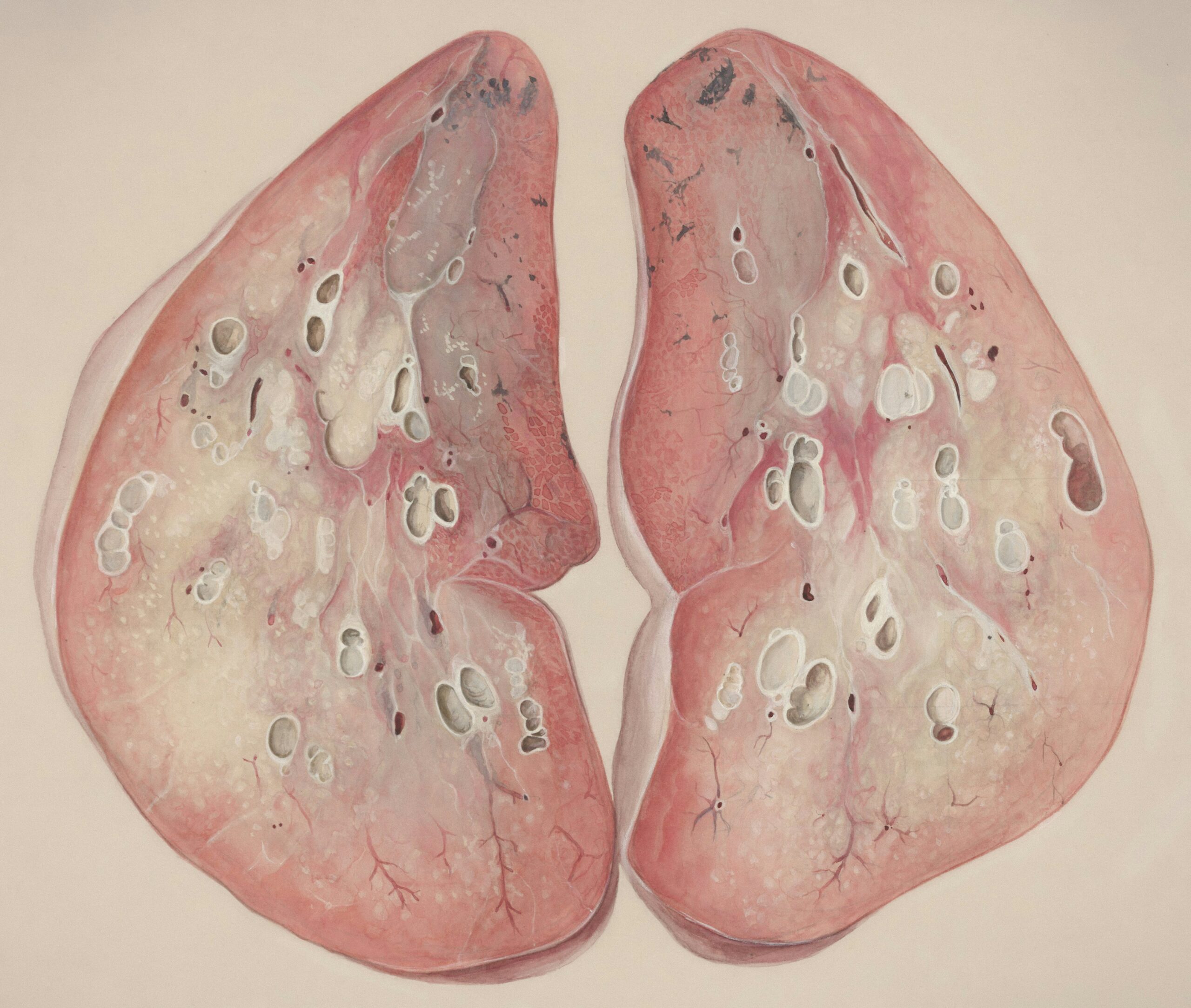
A lung embolism, more commonly called a pulmonary embolism (PE), is a serious medical condition that occurs when a blood clot blocks an artery in the lungs. In many cases, the clot develops in a deep vein, usually in the leg, and then travels through the bloodstream to the lungs. Recognizing lung embolism signs early is important because a pulmonary embolism can become life-threatening without prompt medical treatment.
The symptoms of a lung embolism can vary depending on the size of the clot, how much of the lung is affected, and a person’s overall health. Some people develop sudden and severe symptoms, while others may experience milder warning signs. Understanding the common symptoms and knowing when to seek emergency care can help people respond appropriately.
What Is a Lung Embolism signs?
A lung embolism signs happens when a blood clot or another substance blocks blood flow through an artery in the lungs . Most pulmonary embolisms are caused by a blood clot that forms in a deep vein, a condition known as deep vein thrombosis (DVT).
When the clot reaches the lungs, it can interfere with normal blood circulation and reduce the amount of oxygen that reaches the body. A large clot can place significant strain on the heart and may cause a dangerous drop in blood pressure.
Because pulmonary embolism can progress quickly, recognizing potential lung embolism signs is essential.
Common Lung Embolism Signs
The symptoms of pulmonary embolism can appear suddenly. In some cases, they may develop gradually or be mistaken for other respiratory or cardiovascular problems.
1. Sudden Shortness of Breath
One of the most common lung embolism signs is unexplained shortness of breath. A person may suddenly feel that they cannot get enough air, even when resting or doing very little physical activity.
The breathing difficulty may occur without an obvious cause and can range from mild to severe. If sudden breathlessness occurs together with chest pain, a rapid heartbeat, dizziness, or fainting, emergency medical evaluation is necessary.
2. Chest Pain
Chest pain is another important symptom. Pulmonary embolism-related chest pain may feel sharp or stabbing and can become worse when taking a deep breath or coughing.
Some people describe the sensation as similar to the pain associated with a heart problem. Because chest pain can have many causes, it should not be ignored, particularly when it develops suddenly or occurs with difficulty breathing.
3. Rapid or Irregular Heartbeat
A pulmonary embolism can cause the heart to work harder to circulate blood through the lungs. As a result, the heart may beat faster than normal.
A sudden racing or pounding heartbeat, especially when combined with shortness of breath or chest discomfort, can be a warning sign that requires immediate medical attention.
4. Coughing
A sudden cough can occur with a pulmonary embolism. In some cases, the cough may produce blood, a symptom called hemoptysis.
Coughing up blood is not always caused by a lung embolism, but when it occurs alongside sudden breathing difficulty or chest pain, it should be treated as a potentially serious symptom.
5. Dizziness or Fainting
A significant pulmonary embolism can interfere with normal blood circulation and reduce the amount of blood reaching the brain. This may cause dizziness, lightheadedness, weakness, or fainting.
Loss of consciousness or severe dizziness can indicate a serious pulmonary embolism and requires emergency medical care.
6. Sweating and Feeling Extremely Anxious
Some people with pulmonary embolism experience unexplained sweating, restlessness, or a sudden feeling that something is seriously wrong. These symptoms are not specific to pulmonary embolism and can occur with many other conditions, but they can accompany more recognizable warning signs.
7. Low Oxygen Levels
A pulmonary embolism can prevent parts of the lungs from receiving normal blood flow. This may result in reduced oxygen levels in the blood.
A person may appear unusually pale or bluish around the lips or fingertips in severe cases. However, the absence of visible changes does not rule out a pulmonary embolism.
Signs of a Blood Clot in the Leg
Because many pulmonary embolisms begin with a deep vein blood clot, it is also useful to recognize possible signs of DVT.
These may include:
- Swelling in one leg
- Pain or tenderness in the calf or thigh
- Warmth in the affected area
- Redness or discoloration of the skin
- Unexplained discomfort when standing or walking
A blood clot in the leg does not always cause noticeable symptoms. However, if symptoms of DVT occur together with sudden breathing problems or chest pain, immediate medical assessment is important.
When Are Lung Embolism Signs an Emergency?
Pulmonary embolism can be life-threatening, particularly when a large clot blocks blood flow through the lungs. Seek emergency medical attention for sudden or unexplained:
- Difficulty breathing
- Chest pain
- Rapid heartbeat
- Fainting or severe dizziness
- Coughing up blood
- Severe weakness or collapse
Do not attempt to diagnose a pulmonary embolism based on symptoms alone. Many of its symptoms overlap with conditions such as pneumonia, asthma, heart problems, panic attacks, and other respiratory disorders.
If pulmonary embolism is suspected, emergency professionals can determine the appropriate tests and treatment.
What Causes a Lung Embolism?
The most common cause of pulmonary embolism is a blood clot that forms in a deep vein and travels to the lungs.
Blood clots can develop when blood flow becomes slower than normal, when blood vessels are damaged, or when the blood has an increased tendency to clot.
Several situations can increase the likelihood of developing a blood clot.
Risk Factors for Pulmonary Embolism
Understanding risk factors can help people recognize when symptoms may be more concerning.
Common risk factors include:
Prolonged Immobility
Sitting or lying down for long periods can reduce blood flow in the legs. Long-distance travel, extended bed rest, or limited mobility after an illness or injury may increase the risk of DVT.
Surgery
Some surgical procedures can temporarily increase the risk of blood clots. The risk may be higher when surgery involves the legs, hips, or abdomen or when recovery involves prolonged immobility.
Pregnancy and the Postpartum Period
Pregnancy naturally changes the body’s blood-clotting system. These changes can increase the risk of developing venous blood clots.
Certain Medications
Some medications, including certain hormonal treatments, can increase the risk of blood clots in some individuals.
Previous Blood Clots
People who have previously experienced DVT or pulmonary embolism may have a higher risk of developing another clot.
Certain Medical Conditions
Some cancers, inherited clotting disorders, heart conditions, and other medical problems can increase the risk of blood clots.
Having a risk factor does not mean that someone will definitely develop a pulmonary embolism. However, it can make unexplained symptoms more important to evaluate.
How Is a Lung Embolism Diagnosed?
Doctors cannot reliably diagnose pulmonary embolism based only on symptoms. They typically consider a person’s symptoms, medical history, risk factors, and physical examination before deciding which tests are appropriate.
Possible diagnostic tests may include blood tests, imaging studies, and heart-related tests.
A CT pulmonary angiogram (CTPA) is commonly used to look for blood clots in the arteries of the lungs. In some circumstances, other imaging methods may be considered.
Doctors may also use a blood test called a D-dimer in selected patients. The result must be interpreted in the context of the person’s overall risk and clinical situation.
How Is Pulmonary Embolism Treated?
Treatment depends on factors such as the size and location of the clot, the person’s symptoms, and overall health.
Anticoagulant medications, commonly called blood thinners, are frequently used to prevent existing clots from growing and reduce the risk of additional clots forming.
More severe cases may require treatments designed to rapidly remove or dissolve the clot. Hospital care may be necessary when the pulmonary embolism is considered high risk.
Treatment decisions should always be made by qualified healthcare professionals because blood-thinning medications can cause bleeding and may not be appropriate for everyone.
Can a Lung Embolism Be Prevented?
Not every pulmonary embolism can be prevented, but some measures can reduce the risk of blood clots.
For people who are able to do so, moving the legs regularly during long periods of sitting can help maintain circulation. Following medical advice after surgery or hospitalization is also important.
People with known risk factors should discuss prevention strategies with their healthcare professional. Depending on the circumstances, a doctor may recommend medication or other measures to reduce the risk of clot formation.
Lung Embolism Signs vs. Other Conditions
One reason pulmonary embolism can be difficult to recognize is that its symptoms overlap with many other illnesses.
For example, shortness of breath may occur with asthma, pneumonia, heart disease, or other respiratory conditions. Chest pain may have cardiac, respiratory, gastrointestinal, or musculoskeletal causes.
This is why it is important not to assume that sudden symptoms are simply anxiety, indigestion, or a minor respiratory illness—especially when a person has known risk factors for blood clots.
Frequently Asked Questions About Lung Embolism Signs
What is the most common sign of a lung embolism?
Sudden shortness of breath is one of the most common symptoms of pulmonary embolism. Chest pain, rapid heartbeat, coughing, and dizziness can also occur.
Can a lung embolism happen without symptoms?
Yes. Some pulmonary embolisms may cause few or no obvious symptoms, while others cause sudden and severe symptoms. A person can also have a DVT without noticeable symptoms.
Can lung embolism symptoms come and go?
Symptoms can vary and may not remain constant. However, intermittent symptoms should not be used as reassurance that a pulmonary embolism is not present.
Is chest pain always a sign of pulmonary embolism?
No. Chest pain has many possible causes. However, sudden chest pain—especially when accompanied by shortness of breath, a rapid heartbeat, fainting, or coughing up blood—requires urgent medical evaluation.
Can a lung embolism be fatal?
A severe pulmonary embolism can be life-threatening. Prompt diagnosis and treatment are important because treatment can reduce the risk of serious complications.
Final Thoughts
Recognizing lung embolism signs can be extremely important because pulmonary embolism may develop suddenly and can become serious quickly. Sudden shortness of breath, chest pain, rapid heartbeat, coughing up blood, dizziness, and fainting are among the symptoms that should never be ignored.
A pulmonary embolism can resemble several other medical conditions, so symptoms alone cannot confirm the diagnosis. Anyone experiencing sudden or severe breathing difficulty, chest pain, fainting, or other potentially serious symptoms should seek emergency medical care rather than attempting to diagnose or treat the condition at home.
If you are concerned about your risk of blood clots or have experienced possible symptoms, speak with a qualified healthcare professional for personalized advice and evaluation.
