



Geniatech Edge AI is transforming the way businesses process artificial intelligence workloads outside traditional cloud environments. Instead of sending massive amounts of data to remote servers, edge AI allows intelligent devices to analyze information locally in real time. This approach reduces latency, improves privacy, lowers bandwidth costs, and enables faster decision-making across industries.
As organizations increasingly deploy AI-powered cameras, smart factories, retail analytics, healthcare systems, and autonomous machines, reliable edge computing platforms have become essential. Geniatech has positioned itself as one of the companies developing embedded computing solutions that support modern AI applications while maintaining industrial-grade reliability.
In this guide, you’ll learn what Geniatech Edge AI is, how it works, its major features, real-world use cases, advantages, challenges, and why it is becoming an important technology for enterprises embracing intelligent automation.
What Is Geniatech Edge AI?
Geniatech Edge AI refers to Geniatech’s ecosystem of embedded computing platforms designed to run artificial intelligence applications directly on edge devices. Rather than relying entirely on cloud computing, these systems process AI models locally.
This enables devices to:
- Analyze images instantly
- Detect objects in real time
- Recognize faces
- Monitor industrial equipment
- Perform predictive maintenance
- Process sensor information
- Make intelligent decisions without internet dependency
The combination of embedded hardware and optimized AI software creates a platform suitable for industries requiring speed, security, and reliability.
Understanding Edge AI
Before exploring Geniatech specifically, it’s important to understand Edge AI.
Traditional AI workflow:
- Device captures data.
- Data uploads to the cloud.
- Cloud AI processes information.
- Results return to the device.
Edge AI workflow:
- Device captures data.
- AI processes data locally.
- Immediate decisions are made.
This eliminates unnecessary delays and improves operational efficiency.
Why Edge AI Is Growing Rapidly
Businesses generate enormous volumes of data every second.
Examples include:
- Security cameras
- Industrial sensors
- Manufacturing robots
- Medical equipment
- Smart retail systems
- Transportation monitoring
Sending every piece of data to cloud servers is expensive and slow.
Edge AI solves this by processing only meaningful information locally before transmitting necessary insights.
Key reasons behind adoption include:
- Faster processing
- Better privacy
- Lower operational costs
- Reduced network traffic
- Higher reliability
- Offline capability
Core Features of Geniatech Edge AI
Geniatech develops embedded computing solutions that combine industrial hardware with AI acceleration.
Major features include:
1. AI Acceleration
Geniatech devices support dedicated AI processors capable of accelerating deep learning inference.
This improves:
- Object detection
- Facial recognition
- Classification
- Speech recognition
- Video analytics
2. Industrial Reliability
Many Geniatech products are designed for continuous operation.
Benefits include:
- Long product lifecycle
- Stable performance
- Low maintenance
- Industrial durability
These characteristics are valuable for manufacturing environments operating around the clock.
3. Compact Hardware
Edge devices often require installation in limited spaces.
Geniatech systems typically provide:
- Fanless designs
- Small footprint
- Low power consumption
- Silent operation
This makes deployment easier in factories, retail stores, kiosks, and transportation systems.
4. Multiple Connectivity Options
Edge AI devices often integrate with various industrial equipment.
Common interfaces include:
- USB
- Ethernet
- HDMI
- Wi-Fi
- Bluetooth
- Serial communication
- GPIO
This flexibility simplifies integration into existing infrastructure.
5. AI Framework Compatibility
Modern AI development relies on established machine learning frameworks.
Depending on the hardware platform, developers may use:
- TensorFlow Lite
- ONNX Runtime
- PyTorch
- OpenVINO
- TensorRT
These frameworks enable efficient deployment of trained AI models on edge devices.
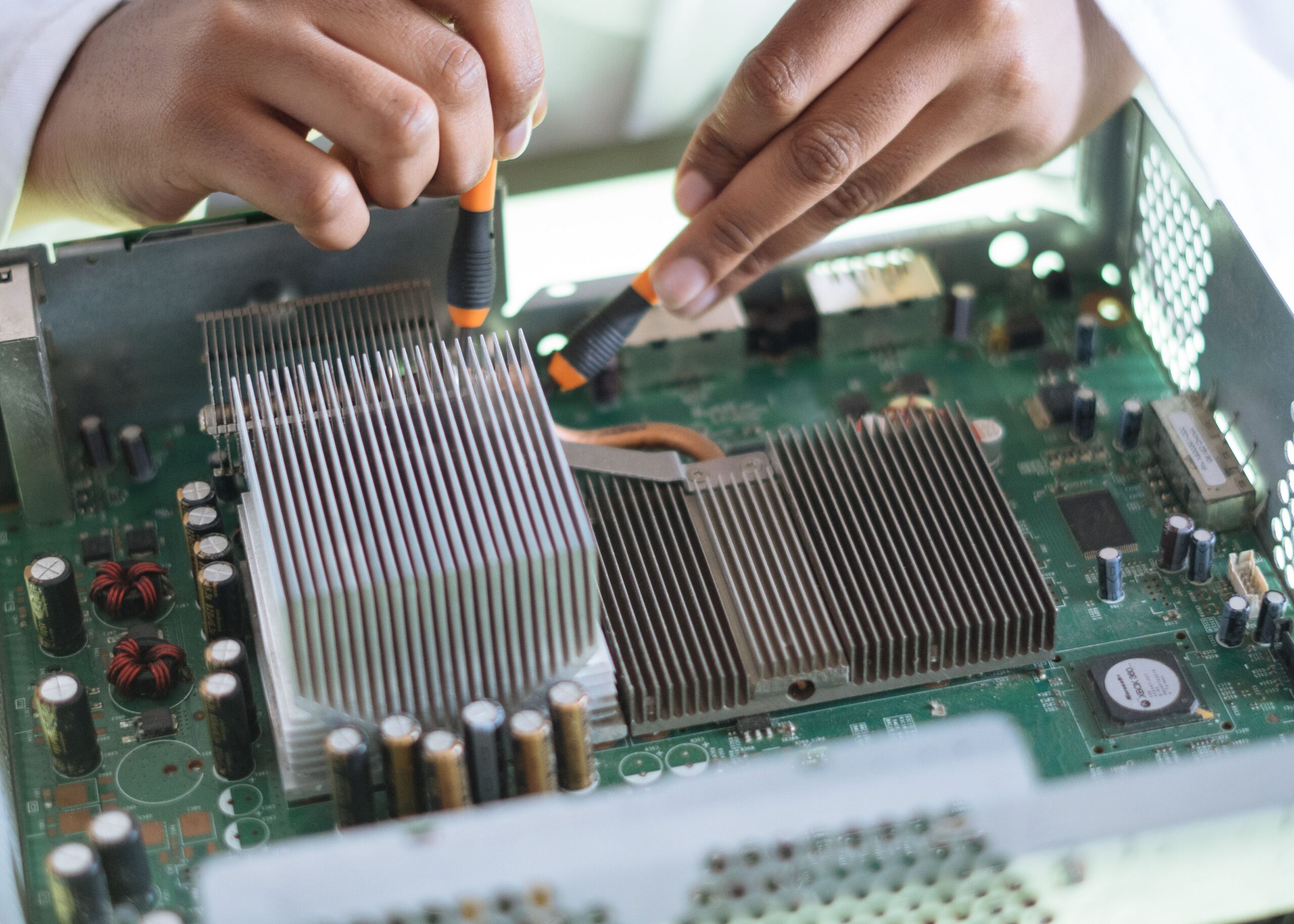
Industries Using Geniatech Edge AI
Edge AI technology serves many sectors.
Manufacturing
Factories use AI to:
- Detect product defects
- Monitor production lines
- Predict equipment failures
- Improve quality control
Computer vision systems reduce manual inspection and increase productivity.
Smart Retail
Retail businesses leverage edge AI for:
- Customer counting
- Shelf monitoring
- Queue analysis
- Loss prevention
- Digital signage
Real-time analytics improve customer experience while reducing operational costs.
Healthcare
Hospitals and clinics increasingly adopt edge AI for:
- Medical imaging
- Patient monitoring
- Smart diagnostic devices
- Laboratory automation
Processing sensitive healthcare data locally also enhances patient privacy.
Smart Cities
Municipalities deploy edge AI in:
- Traffic monitoring
- Parking management
- Public safety
- Environmental monitoring
- Crowd analytics
Real-time decision-making supports more efficient urban management.
Transportation
Transportation systems benefit from:
- Driver monitoring
- Fleet management
- Intelligent traffic control
- Vehicle analytics
- Safety monitoring
Local AI processing reduces delays that could affect safety.
Benefits of Geniatech Edge AI
Organizations adopt edge AI because of measurable operational improvements.
Real-Time Decision Making
Processing data locally eliminates cloud latency.
Applications receive results within milliseconds.
Improved Data Privacy
Sensitive information remains on local devices.
This reduces exposure to cybersecurity risks while helping organizations meet privacy requirements.
Lower Bandwidth Usage
Instead of uploading every image or video frame, only valuable insights are transmitted.
This significantly reduces network traffic.
Reduced Cloud Costs
Processing locally minimizes cloud storage and compute expenses.
Organizations can lower long-term operational costs.
Reliable Offline Operation
Many industrial facilities experience limited internet connectivity.
Edge AI systems continue functioning even during network outages.
Common AI Applications
Geniatech Edge AI supports numerous artificial intelligence workloads.
Popular applications include:
- Image classification
- Object detection
- Facial recognition
- License plate recognition
- Human pose estimation
- Quality inspection
- Predictive maintenance
- OCR document scanning
- Voice recognition
- Video analytics
These applications help organizations automate repetitive tasks while improving accuracy.
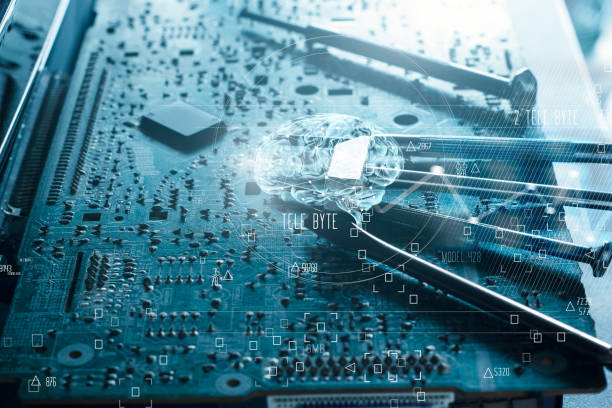
Hardware Components Behind Edge AI
A typical Geniatech Edge AI solution includes several essential components.
AI Processor
Runs deep learning inference efficiently.
CPU
Handles system management and general computing tasks.
GPU or NPU
Accelerates neural network calculations.
Memory
Stores AI models and temporary processing data.
Storage
Contains operating systems, applications, and trained AI models.
Connectivity
Enables communication with sensors, cameras, and enterprise networks.
Edge AI vs Cloud AI
| Feature | Edge AI | Cloud AI |
|---|---|---|
| Speed | Very Fast | Depends on Internet |
| Privacy | Excellent | Moderate |
| Internet Required | No | Yes |
| Bandwidth | Low | High |
| Latency | Very Low | Higher |
| Operating Cost | Lower Long-Term | Higher |
For many industrial applications, edge AI provides significant advantages over cloud-only solutions.
Challenges of Edge AI
Although edge AI offers numerous benefits, organizations should also consider several challenges.
Limited Computing Resources
Edge devices typically have fewer resources than cloud servers.
AI models often require optimization before deployment.
Software Management
Managing thousands of distributed devices can become complex.
Organizations need centralized monitoring and update systems.
Hardware Selection
Choosing the correct processor depends on application requirements.
Factors include:
- AI model size
- Camera resolution
- Processing speed
- Power consumption
Security
Edge devices require strong security measures, including:
- Secure boot
- Data encryption
- Firmware updates
- Access control
Proper security protects both devices and sensitive information.
Future of Geniatech Edge AI
The future of edge AI looks promising.
Several trends are expected to accelerate adoption:
- More powerful AI processors
- Better energy efficiency
- 5G connectivity
- Industrial automation
- Autonomous robots
- Smart manufacturing
- AI-powered IoT devices
- Digital twins
- Intelligent surveillance
As AI models become more efficient, edge devices will handle increasingly complex workloads without relying heavily on cloud infrastructure.
Best Practices for Deploying Edge AI
Organizations planning an edge AI deployment should follow these recommendations:
- Clearly define business objectives.
- Select hardware that matches AI workloads.
- Optimize models for edge inference.
- Secure devices against cyber threats.
- Monitor performance continuously.
- Plan for remote software updates.
- Test deployments before scaling.
- Integrate analytics with existing enterprise systems.
Following these practices helps maximize return on investment while reducing operational risks.
Is Geniatech Edge AI Worth Considering?
For businesses implementing AI at the edge, Geniatech offers solutions focused on embedded computing, industrial reliability, and real-time AI processing. Its platforms are particularly well suited for organizations deploying AI in manufacturing, transportation, retail, healthcare, and smart city projects.
The best choice depends on your workload, software ecosystem, performance requirements, and deployment scale. Evaluating hardware compatibility, AI framework support, and long-term maintenance needs will help ensure a successful implementation.
Conclusion
Geniatech Edge AI represents a significant step toward faster, smarter, and more efficient artificial intelligence deployment. By bringing AI processing closer to where data is generated, organizations can reduce latency, improve privacy, lower cloud costs, and enable real-time decision-making.
As industries continue investing in automation, IoT, and intelligent analytics, edge AI platforms will play an increasingly important role in digital transformation. Whether you’re building smart factories, intelligent retail systems, or connected healthcare solutions, Geniatech Edge AI demonstrates how localized AI computing can deliver practical business value while preparing organizations for the next generation of intelligent technologies.
Frequently Asked Questions
What is Geniatech Edge AI?
Geniatech Edge AI refers to embedded computing solutions that enable AI inference directly on local devices, reducing dependence on cloud computing.
Why is Edge AI important?
Edge AI provides faster processing, enhanced privacy, lower bandwidth usage, and reliable offline operation.
Which industries benefit from Geniatech Edge AI?
Manufacturing, healthcare, retail, transportation, logistics, smart cities, and industrial automation are among the primary users.
Does Edge AI require cloud computing?
Not always. Many AI tasks can run entirely on edge devices, though hybrid cloud-edge architectures are common for centralized management and model updates.
Is Edge AI suitable for small businesses?
Yes. Compact, energy-efficient edge AI systems can help businesses automate operations, improve security, and gain real-time insights without investing heavily in cloud infrastructure.

1 Comment
Pingback: Edge AI Camera News: Latest Innovations, Trends, and Industry Updates in 2026 - techvistamag.com