


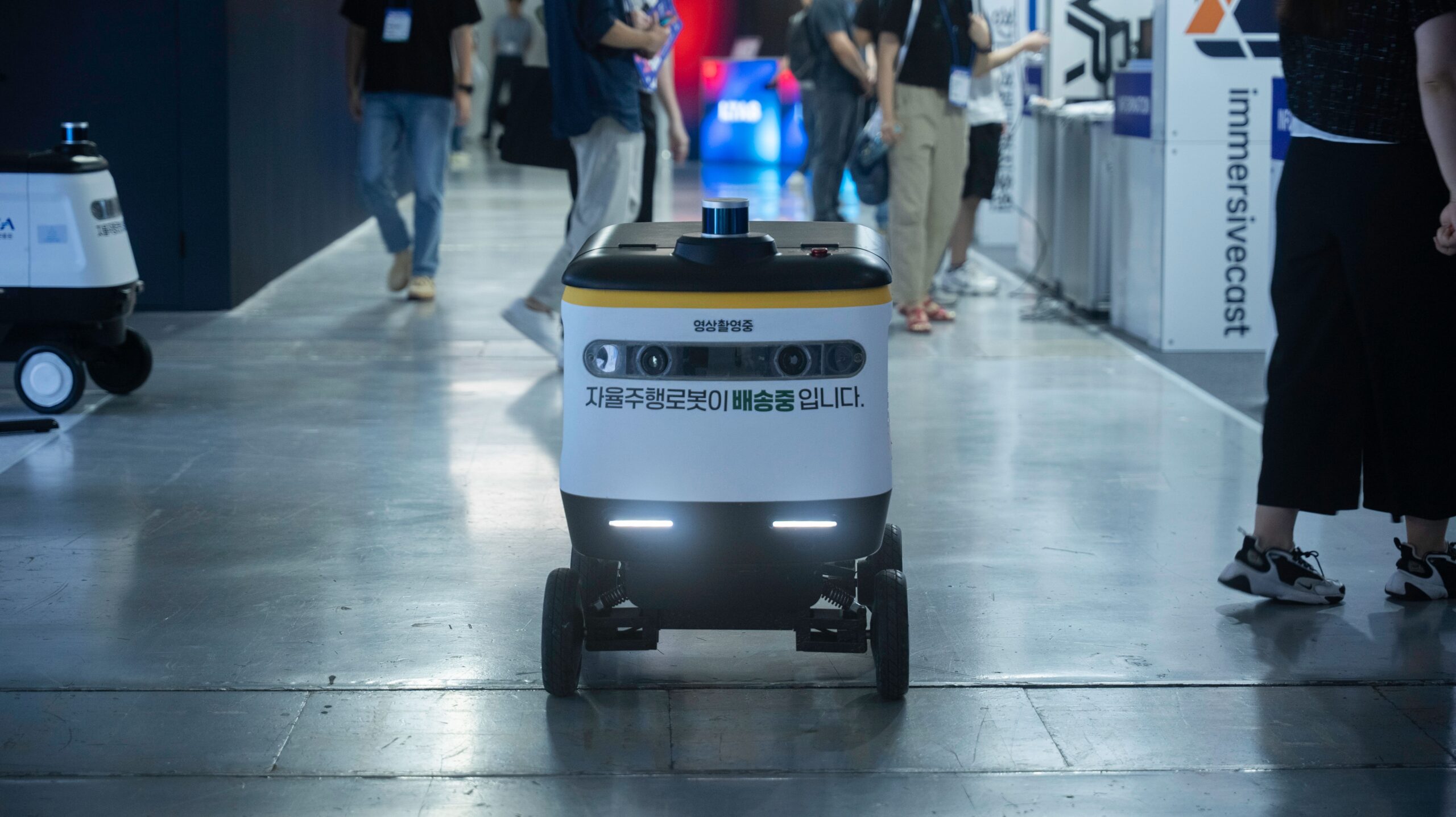
Autonomous robotics in agriculture is changing the way we grow crops and take care of animals. It is making farming smarter and more efficient.
Autonomous Robotics in Agriculture: The Future of Smart Farming
Autonomous robotics in agriculture is becoming very popular because it helps farmers deal with problems like not having workers, needing to produce more food, and having to take care of the environment. These robots can do things on their own, like look at fields, move around by themselves, find crops, detect diseases, and spray fertilizer where it is needed.
Today, robots are one of the growing technologies in farming. From tractors that can drive themselves to machines that can pick fruits and vegetables, smart machines are helping farmers save money and grow crops.
In this guide you will learn how autonomous robotics in agriculture works what is new how it is used what are the benefits what are the challenges and what the future of farming looks like.
What Is Autonomous Robotics in Agriculture?
Autonomous robotics in agriculture is when robots can do farming tasks by themselves using things like intelligence, machine learning and sensors.
These robots can collect data from farms look at the conditions of the fields and make decisions in time without needing people to tell them what to do.
They can adapt to changing environments recognize things that’re in the way find weeds and do things more efficiently.
Why Does Agriculture Need Autonomous Robots?
Agriculture is facing problems like not having enough workers costs going up climate change not having enough water soil getting damaged, needing to produce more food and having to reduce the use of chemicals.
Old ways of farming often struggle to solve these problems.
Autonomous robots help farmers produce food while using fewer resources. They also reduce the risk of people getting hurt by chemicals. Reduce the amount of work that people have to do.
As farms get bigger and more technologically advanced automation is becoming a necessity.
How Does Robotics in Agriculture Work?
Modern farming robots combine advanced technologies into one smart system.
1. GPS Navigation
Robots can drive accurately through fields without damaging plants.
2. Computer Vision
Cameras and artificial intelligence can identify crops, weeds, fruits, diseases and soil conditions. The robot can then decide what to do.
3. Sensors
Robots use sensors like moisture sensors, temperature sensors and cameras to get valuable information for better farming decisions.
4. Cloud Connectivity
Many robots send data to the cloud where farmers can look at what’s happening on their farms using their phones or computers.
Precision Agriculture Robotics Is Changing Modern Farming
One of the advancements in farming is precision agriculture robotics.
Of treating the whole field the same precision farming focuses on using the right amount of resources exactly where they are needed.
Examples include spraying weeds where they are using the right amount of fertilizer and watering only where it is needed.
This approach reduces waste. Increases productivity.
Types of Agriculture Automation Robots
There are types of robots used in farming.
Autonomous Tractors
These tractors can drive themselves. Do things like plowing, seeding and fertilizing. They can work day and night with supervision.
Robotic Harvesters
These robots can pick fruits and vegetables using cameras and robotic arms. They can identify produce and harvest without damaging crops.
Weed Removal Robots
These robots can detect weeds using intelligence and remove them without using chemicals.
Agricultural Drones
Drones are used to monitor crops detect diseases and analyze plant health.
Livestock Robots
Robots are used in dairy and livestock farms to do things like milking, feeding and cleaning.
Real-World Applications of Autonomous Robotics in Agriculture
technology is used in almost every stage of crop production.
Soil Preparation
Autonomous tractors can prepare fields with precision while reducing fuel consumption.
Planting
Robotic seeders can plant seeds at the depth and spacing improving germination rates.
Irrigation
Smart robots can analyze soil moisture. Irrigate only where needed.
Crop Monitoring
AI-powered robots can inspect crops daily to identify problems and prevent losses.
Fertilizer Application
Robots can calculate how much fertilizer each area needs, reducing waste and costs.
Harvesting
Autonomous harvesters can work around the clock during harvest season reducing the need for labor.
Benefits of Autonomous Robotics in Agriculture
Farm automation has benefits for farms of all sizes.
Increased Productivity
Robots can work hours than people without getting tired.
Reduced Labor Costs
Robots can fill workforce gaps. Reduce long-term labor expenses.
Higher Crop Yields
Better monitoring and precise farming techniques lead to plants and improved harvests.
Lower Chemical Usage
Targeted spraying minimizes pesticide and herbicide use reducing impact.
Water Conservation
Smart irrigation systems deliver water where necessary.
Better Decision Making
data collection gives farmers valuable insights into crop performance and field conditions.
Improved Sustainability
Precision farming reduces waste. Promotes environmentally responsible agriculture.
Challenges Facing Robotics
Despite the growth of agricultural robotics there are still challenges to overcome.
High Initial Investment
Autonomous farming equipment can be expensive.
Technical Complexity
Farmers need training to operate and maintain robotic systems.
Weather Conditions
Robots can be affected by rain, mud, dust and extreme temperatures.
Connectivity Issues
Some rural areas lack internet connections needed for cloud-based farming systems.
Maintenance Costs
Robots require maintenance and software updates.
Agricultural Robotics News: Latest Industry Trends
There are trends shaping the future of agricultural robotics.
AI is becoming accurate and swarm robotics is being developed.
Electric farming equipment is reducing fuel costs and carbon emissions.
Autonomous greenhouses are using robots for planting, monitoring and harvesting.
Robotics-as-a-Service is making advanced technology more accessible to farms.
How AI Improves Agricultural Robots
Artificial intelligence is the brain behind farming.
AI enables robots to identify plant diseases recognize weeds predict harvest timing and optimize fertilizer usage.
As AI models improve agricultural robots become smarter and more efficient.
Robotics in Agriculture Around the World
countries are investing in agricultural automation.
The United States is using tractors and precision spraying systems.
Japan is using robots to compensate for an aging farming workforce.
The Netherlands is using high-tech greenhouse automation.
Australia is using robots to manage large farming operations.
India is using agricultural robots to support small-scale farmers.
Are Agriculture Automation Robots Worth the Investment?
For farms the answer is yes.
Although the initial purchase can be expensive agriculture automation robots can deliver long-term savings.
Future of Autonomous Robotics in Agriculture
The next decade will likely bring greater advances in autonomous farming.
Future robots may feature autonomous farming operations real-time AI decision-making and advanced weather prediction integration.
As hardware becomes affordable and AI software continues to evolve autonomous robotics will become increasingly common across farms of all sizes.
Final Thoughts
Autonomous robotics in agriculture is already improving efficiency reducing waste and helping farmers produce food with fewer resources.
From tractors to robotic harvesters automation is reshaping every stage of farming.
While challenges remain the long-term advantages are driving adoption worldwide.
Farmers who embrace these technologies today are better positioned to increase productivity strengthen sustainability and remain competitive as agriculture continues its transformation.
Frequently Asked Questions (FAQs)
What is autonomous robotics in agriculture?
Autonomous robotics in agriculture refers to robotic machines that perform farming tasks such as planting, spraying, monitoring and harvesting, with minimal human intervention using AI, GPS, sensors and computer vision.
How does precision agriculture robotics make farming better?
Precision agriculture robotics looks at the condition of the fields and puts water, fertilizers or pesticides where they are needed. This helps reduce waste and makes the crops healthier and stronger. Precision agriculture robotics is really good at doing this.
What are these agriculture automation robots?
Agriculture automation robots are machines that help farmers by doing tasks that need to be done over and over. These tasks include planting seeds picking crops controlling weeds giving water watching the crops and taking care of animals. Agriculture automation robots do all these things.
Are robots good for small farms?
Yes they are. Some of these systems are very expensive. Now farmers can lease them or use something called Robotics-as-a-Service. This makes it possible for medium-sized farms to use advanced robotic technology. Agricultural robots can really help farms.
What is going to happen with robotics, in agriculture in the future?
In the future we will have farms that can run on their own without people. We will have computers making decisions using something called intelligence. We will have equipment that runs on electricity. We will have robots working together which is called swarm robotics. We will also have ways to predict how crops will grow and make farming more sustainable using automation and precision agriculture robotics.
