


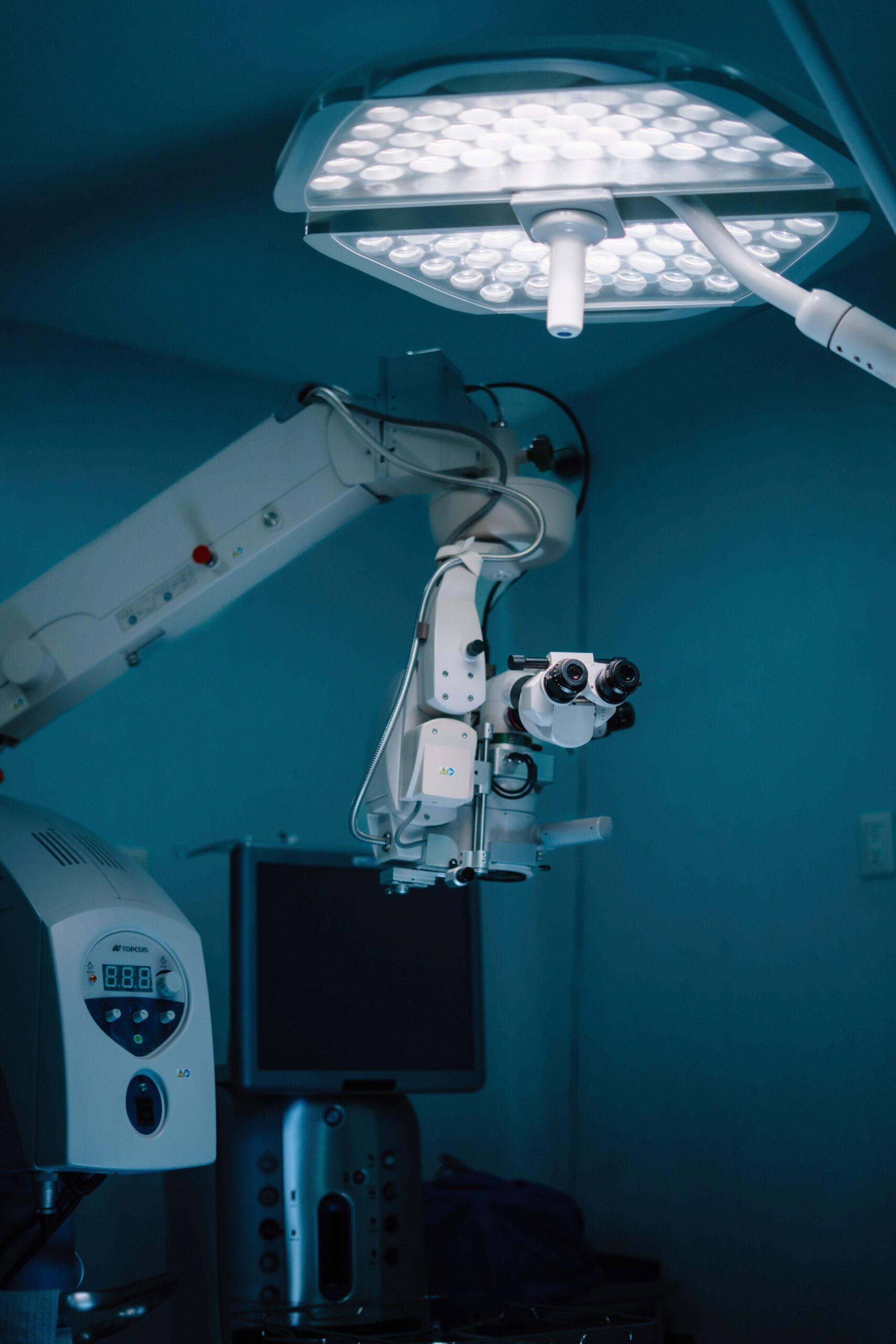
Surgery for the gallbladder using robotic technology
Robotic surgery of the gallbladder is a frequently applied method of gallbladder removal in patients with gallstones and chronic inflammation. In comparison with conventional large incision techniques, robotic gallbladder surgery usually requires fewer incisions, as a result of which the patient may feel less pain after the operation.
While undergoing the procedure, the surgeon operates robotic devices that create the necessary conditions for separating and removing the gallbladder. Many of the patients undergo an outpatient experience, returning home on the same day or after spending a short amount of time in the hospital, depending on their condition and recovery.
Robotic Nephrectomy in Consideration of Kidney Problems
One of the meanings of robotic nephrectomy is surgical removal of the kidney (only partially or fully) which is needed for serious conditions like chronic kidney disease or presence of cancer.
Robotic systems are particularly helpful in kidney surgery owing to the precision of actions near blood vessels and delicate structures. The use of robotic nephrectomy allows surgeons to preserve healthy parts of the kidney tissue.
Robotic Simple Prostatectomy
Robotic simple prostatectomy is a procedure used to treat males with severely swollen prostate glands that lead to urinary difficulties.
The robotic method offers superior visualization and possible lower blood loss, resulting in better patient recovery than open surgery.
Robotic Surgery for Hernias
Robotic surgery is becoming increasingly popular in the treatment of inguinal, ventral, and incisional hernias.
One benefit of this technique is that the surgeon is able to control the instruments while placing the mesh and repairing the hernia, using tiny incisions for the procedure. This could be useful especially in addressing complicated or recurring hernia cases.
Laparoscopic Robotic Surgery: How It Differs
People often wonder whether laparoscopic robotic surgery is the same as traditional laparoscopy.
Both techniques use small incisions and a camera, but robotic surgery adds computer-assisted instruments with greater flexibility and precision. The surgeon still performs the operation; the robot does not operate independently.
Key Difference
|
Traditional Laparoscopy |
Robotic Surgery |
|---|---|
|
Rigid instruments |
Wristed robotic instruments |
|
2D or limited 3D view |
High-definition 3D view |
|
More surgeon hand movement |
Enhanced precision and ergonomics |
Robotic Hair Transplant and ARTAS Technology

The scope of medical robotics is broader than just internal surgery. Hair restoration through robotic operations has also gained popularity.
The ARTAS robotic hair transplant system utilizes imaging and robotic technology to locate, identify, and extract healthy hair follicles suitable for transplantation. The advantages may include consistent grafts selection and minimal scarring in apt candidates.
Benefits of Robotic Surgery

Many patients choose robotic surgery because of the potential advantages it offers.
Typical Advantages
- Reduced cut
- Lower hemorrhage
- Less pain after the surgery
- Reduced hospitalization
- Quicker recovery in some cases
- Improved accuracy for complex operations
- Better view for the doctor
Nevertheless, results depend on the operation, the skills of the surgeon, and characteristics of the patient.
Risks and Limitations
While robotic surgery offers many benefits, it is not risk-free.
Possible Risks
Hemorrhage
Contamination
Damage to adjacent organs
Problems relating to anesthesia
Requirement for the conversion to traditional surgical approach
Increased costs of the procedure depending on the place
Moreover, it is important to note that the robot cannot make the decisions for medical issues. The surgical procedure is fully on the shoulder of the doctor.
Who Is A Suitable Candidate?
If you meet the following criteria, you may be a suitable candidate for robotic surgery:
The treatable condition of yours involves robotic technology.
You are healthy enough to undergo anesthesia.
The surgeon has experience in performing robotic surgery.
The benefits that affect your decision would be more than any potential risks involved.
The Future of Surgery Robots

Surgery robots continue to evolve rapidly. Researchers are developing systems with better imaging, artificial intelligence support, and improved navigation.
Future innovations may help surgeons perform even more complex procedures with greater accuracy while expanding access to minimally invasive treatment options.
Frequently Asked Questions (FAQs)
Is robotic surgery better than traditional surgery?
Not always. For many procedures, robotic surgery can offer smaller incisions and faster recovery, but the best approach depends on the specific condition and surgeon expertise.
How long does recovery take?
Recovery varies by procedure. Many patients return to normal activities sooner than with open surgery, but full recovery may still take several weeks.
Is robotic knee replacement worth it?
For some patients, robotic assisted knee replacement surgery may improve implant positioning and surgical planning. Discuss the potential benefits and costs with your orthopedic surgeon.
Can robots perform surgery on their own?
No. Current robotic systems are controlled by surgeons and do not operate independently.
Is robotic hair transplant permanent?
Transplanted hair follicles are generally intended to be permanent, but long-term results depend on individual factors such as ongoing hair loss.
In conclusion
Robotic surgery has changed the landscape of contemporary medicine in numerous fields, including robotic knee surgery, robotic hip surgery, robotic lung surgery, robotic spine surgery, and robotic nephrectomy. The advances in robotics have allowed physicians to perform sophisticated procedures with minimal invasiveness.
For many patients, robotic procedures may offer benefits such as smaller incisions, less pain, shorter hospital stays, and faster recovery. At the same time, every surgery carries risks, and the right treatment choice depends on your diagnosis, overall health, and the experience of your surgical team.
In case you are contemplating undergoing a robotic surgical operation, it is advisable to consult a competent surgeon who can clarify if robotic surgery can work for you in terms of your illness and help you arrive at the right decision.
