



Looking for the best robot dog? Discover smart robotic pets, AI robot dogs, interactive robot dog toys, buying tips, top features, prices, and expert recommendations in this complete guide.
Robot Dog: Everything You Need to Know Before Buying One
A robot dog is no longer just a futuristic gadget. Today’s robotic pets can walk, bark, recognize voices, avoid obstacles, perform tricks, and even respond to emotions using artificial intelligence. Whether you’re searching for a fun robot dog toy for a child or a highly advanced robot dog for adults, there are more choices than ever before.
Some robotic dogs are designed purely for entertainment, while others serve educational, therapeutic, or research purposes. Thanks to advances in AI, sensors, and robotics, these smart companions continue to become more realistic every year.
In this guide, you’ll learn how robot dogs work, their key features, who should buy one, and which models offer the best value.
Table of Contents
- What Is a Robot Dog?
- How Robot Dogs Work
- Types of Robot Dogs
- Best Features to Look For
- Robot Dog vs Real Dog
- Benefits of Owning a Robot Dog
- Best Robot Dogs in 2026
- Buying Guide
- FAQs
- Final Verdict
What Is a Robot Dog?
A robot dog is an electronic robotic pet designed to imitate the appearance and behavior of a real dog. Depending on the model, it may walk, run, bark, wag its tail, respond to commands, play games, dance, or even use artificial intelligence to interact naturally with people.
Unlike traditional toys, modern robotic dogs combine mechanical movement with software, sensors, microphones, cameras, and wireless connectivity.
Some are created for children, while premium models are built for education, research, security, and professional robotics development.
How Does a Robot Dog Work?
Most smart robot dogs combine several technologies into one machine.
Artificial Intelligence
Modern AI robot dogs analyze voice commands, learn routines, and improve interactions over time. Some models can even recognize individual family members.
Motion Sensors
Built-in sensors help robotic pets avoid walls, furniture, stairs, and other obstacles.
Cameras
Premium robot dogs use cameras for navigation, facial recognition, and object tracking.
Motors
Electric servo motors allow realistic walking, sitting, jumping, stretching, and turning movements.
Voice Recognition
Many interactive robot dogs respond to spoken commands such as:
- Sit
- Come here
- Dance
- Stop
- Follow me
Types of Robot Dogs
1. Robot Dog Toys
A toy robot dog is designed primarily for entertainment. These models usually bark, walk, light up, play music, and perform tricks.
They are ideal for:
- Young children
- Birthday gifts
- Indoor play
- Beginner robotics experiences
2. Interactive Robot Dogs
An interactive robot dog offers more advanced features than basic toys.
Common capabilities include:
- Voice commands
- Touch sensors
- Trick performance
- Tail movement
- Emotional responses
- Gesture recognition
These robotic pets create a more engaging experience by responding to how users interact with them.
3. Smart Robot Dogs
A smart robot dog uses AI software and advanced sensors to interact intelligently with its surroundings.
Features may include:
- Face recognition
- Object detection
- App control
- Wi-Fi connectivity
- Automatic obstacle avoidance
- Personalized responses
These models appeal to both technology enthusiasts and robotics learners.
4. Robot Dogs for Adults
A robot dog for adults is often designed for education, programming, research, or professional applications rather than simple entertainment.
These robotic companions typically include:
- Programmable behaviors
- Camera systems
- AI vision
- Mobile app integration
- SDK support
- Advanced sensors
They are popular among engineers, developers, and robotics hobbyists.
5. Realistic Robot Puppy
A realistic robot puppy focuses on creating an experience similar to owning a real puppy.
These models may feature:
- Soft fur
- Realistic barking
- Natural walking
- Responsive eyes
- Tail wagging
- Touch-sensitive reactions
Some therapeutic versions are used in hospitals and senior care facilities to provide companionship.
Best Features to Look For
Not every robotic dog offers the same experience. Before buying, consider these important features.
Artificial Intelligence
AI allows your robotic companion to react naturally instead of repeating identical actions.
Battery Life
Long battery life means more uninterrupted playtime.
A quality robot dog should provide between one and three hours of continuous operation.
Voice Commands
Hands-free interaction creates a much more enjoyable experience.
Look for models that recognize multiple spoken commands.
Mobile App Support
Many premium robot dogs can be controlled using smartphone apps.
These apps often allow users to:
- Customize movements
- Schedule routines
- Install updates
- Program new tricks
Obstacle Detection
Collision avoidance prevents accidental crashes into furniture and walls.
Premium robotic dogs use infrared or camera-based navigation systems.
Programmability
If you’re interested in robotics education, choose a programmable robot dog.
Some support:
- Python
- Scratch coding
- Block programming
- AI development platforms
Robot Dog vs Real Dog
| Feature | Robot Dog | Real Dog |
|---|---|---|
| Feeding | Not required | Daily |
| Vet visits | No | Yes |
| Training | Minimal | Extensive |
| Lifespan | Depends on hardware | 10–15 years |
| Allergies | None | Possible |
| Maintenance | Charging only | Daily care |
| Emotional bond | Limited | Very strong |
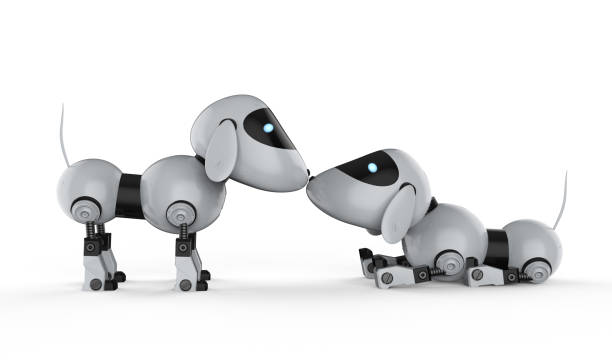
Although robotic dogs cannot replace the emotional connection of a living pet, they offer several practical advantages.
They require very little maintenance, never shed fur, and are suitable for apartments where real pets may not be allowed.
Benefits of Owning a Robot Dog
Great for Children
Robot dogs encourage curiosity about science, engineering, and technology while providing hours of entertainment.
Helpful for Seniors
Interactive robotic pets can provide companionship without the responsibilities of caring for a live animal.
Excellent STEM Learning Tool
Many programmable robot dogs introduce coding concepts through hands-on learning.
Students can experiment with movement, sensors, automation, and AI in a fun environment.
Allergy-Friendly
Families who cannot own real pets because of allergies may enjoy robotic alternatives.
No fur, no shedding, and no pet-related allergens make them suitable for sensitive households.
Low Maintenance
Unlike living pets, robotic dogs don’t require feeding, grooming, walking, or veterinary care.
Simply recharge the battery and enjoy the experience.
Best Robot Dogs to Buy in 2026
If you’re shopping for a robot dog, you’ll find options ranging from affordable toy companions to sophisticated AI-powered machines for education and professional use. The best choice depends on your budget, age group, and intended purpose.
1. Unitree Go2
Best for: Robotics enthusiasts and developers
Pros
- Advanced AI navigation
- Excellent obstacle avoidance
- Long battery life
- App control
- Programmable platform
Cons
- Premium price
- More complex than a standard toy
2. Sony Aibo
Best for: Families looking for a realistic robotic companion
Pros
- Learns from daily interactions
- Facial recognition
- Natural movements
- Emotional responses
- Cloud-based AI updates
Cons
- Expensive
- Requires an internet connection for some smart features
3. LEGO Robot Dog Kits
Best for: STEM education
Pros
- Teaches coding
- Encourages creativity
- Modular design
- Suitable for beginners
Cons
- Requires assembly
- Limited realism
4. Interactive Robot Puppy Toys
Best for: Young children
Pros
- Affordable
- Easy to operate
- Safe for kids
- Fun lights and sounds
Cons
- Basic functionality
- Limited AI features
Robot Dog Buying Guide
Buying the right robot dog becomes much easier when you know which features matter most.
Define Your Purpose
Ask yourself why you’re buying one.
- Entertainment
- STEM learning
- Home companion
- Robotics programming
- Gift for children
- AI experimentation
Choosing the right category first prevents spending money on features you may never use.
Consider the Age Group
Children usually enjoy colorful robot puppy models with simple controls, music, and playful tricks.
Teenagers often prefer programmable robotic pets that introduce coding and robotics concepts.
Adults generally appreciate advanced smart robot dog models equipped with AI, cameras, and sophisticated sensors.
Battery Performance
Battery life varies widely.
Entry-level models may last around 45–60 minutes, while premium robotic dogs often operate for two to four hours before needing a recharge.
If the robot will be used frequently, look for fast charging and replaceable batteries.
Build Quality
A durable frame helps protect the robot from accidental drops and daily use.
Look for:
- Strong plastic or metal construction
- Smooth joint movement
- Stable walking performance
- Reliable motors
Better construction usually means a longer lifespan.
Software Updates
Many premium AI robot dogs receive firmware updates that improve performance and introduce new capabilities.
A manufacturer that actively supports its products adds long-term value to your purchase.
Ease of Use
A user-friendly mobile app, clear instructions, and straightforward controls make the experience more enjoyable, especially for beginners.
Robot Dog Price Guide
| Type | Typical Price |
|---|---|
| Basic robot dog toy | $20–$60 |
| Interactive robot dog | $60–$150 |
| Smart robot dog | $150–$500 |
| Educational robotic dog | $300–$1,000 |
| Professional AI robot dog | $1,500+ |
Prices depend on AI capabilities, sensors, cameras, programming support, and overall build quality.
Pros and Cons of Robot Dogs
Advantages
- Easy to maintain
- No feeding or grooming required
- Great educational tool
- Safe for people with pet allergies
- Encourages interest in robotics and AI
- Suitable for apartments and small spaces
- Can teach basic coding and programming
- Available for nearly every budget
Disadvantages
- Cannot replace the emotional connection of a real pet
- Premium models can be expensive
- Batteries require regular charging
- Some advanced features depend on mobile apps or internet access
- Lower-cost models may offer limited functionality
Are Robotic Pets Worth Buying?
For many households, the answer is yes.
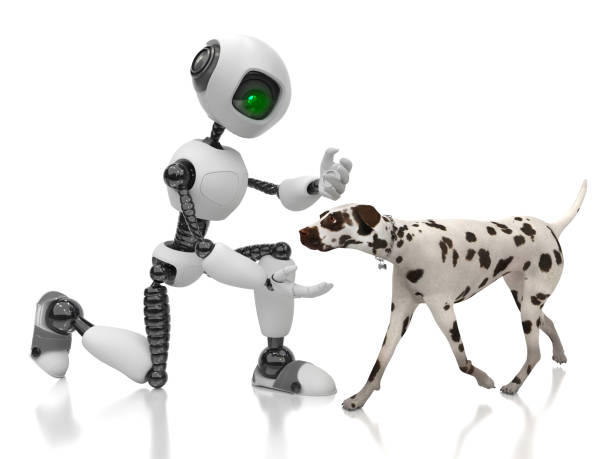
A robotic pet can provide entertainment, educational value, and companionship without the responsibilities associated with caring for a live animal.
Children benefit from interactive play, students gain hands-on exposure to robotics, and adults can explore AI and programming in an engaging way.
While robotic pets cannot fully replicate the affection and personality of a living dog, modern technology has made them far more responsive, intelligent, and enjoyable than earlier generations.
Frequently Asked Questions
What is the best robot dog?
The best model depends on your needs. Families often prefer interactive companion robots, while developers and engineers typically choose programmable AI-powered robot dogs with advanced sensors and software support.
Can a robot dog replace a real dog?
No. A robot dog can imitate certain behaviors, but it cannot replace the emotional bond, affection, or unique personality of a living pet.
Are robot dogs safe for children?
Yes. Most toy and interactive models are designed with child safety in mind. Always check the recommended age range provided by the manufacturer before purchasing.
How long does a robot dog’s battery last?
Battery life varies by model. Basic toys may run for about an hour, while premium robotic dogs can often operate for two to four hours on a full charge.
Can robot dogs learn new tricks?
Many advanced models can. AI-powered robots may recognize voice commands, adapt to routines, and receive software updates that add new features over time.
Are robot dogs good for learning robotics?
Absolutely. Programmable robot dogs are excellent tools for learning coding, electronics, artificial intelligence, and engineering concepts through hands-on experience.
Final Verdict
The modern robot dog has evolved far beyond a simple electronic toy. Today’s models combine artificial intelligence, smart sensors, voice recognition, and realistic movement to create engaging robotic companions for people of all ages.
Whether you’re buying a playful robot puppy for a child, a smart pet robot for companionship, or a programmable canine robot for robotics education, there are excellent options available at every price point.
Before making a purchase, compare features such as AI capabilities, battery life, build quality, app support, and programming options. Choosing a model that matches your needs ensures you’ll get the most value from your investment.
As robotics technology continues to improve, robot dogs are becoming more intelligent, interactive, and capable—making them one of the most exciting consumer robotics products available today.
