


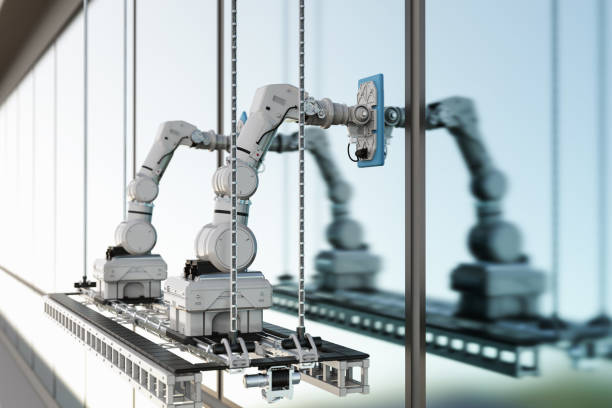
Looking for the best window robot cleaner? Discover how robotic window cleaners work, their benefits, key features, and expert buying tips to choose the right automatic window cleaning robot for your home or office.
Window Robot Cleaner: The Complete Buyer’s Guide
Cleaning windows is one of the most time-consuming household chores, especially when dealing with large glass panels, high-rise apartments, or hard-to-reach windows. A window robot cleaner offers an easier, safer, and more efficient solution by automating the entire cleaning process.
Modern robotic cleaning devices use powerful suction, intelligent navigation, and microfiber cleaning pads to remove dust, fingerprints, and light stains without requiring constant supervision. Whether you’re a homeowner looking to save time or a business owner maintaining large glass surfaces, a robotic window cleaner can significantly reduce cleaning effort.
In this guide, you’ll learn how window cleaning robots work, their advantages, the different types available, and the most important factors to consider before making a purchase.
Table of Contents
- What Is a Window Robot Cleaner?
- How Does a Window Robot Cleaner Work?
- Why More People Are Buying Window Cleaning Robots
- Benefits of Using a Window Robot Cleaner
- Types of Robotic Window Cleaners
- Key Features to Consider Before Buying
- Choosing the Right Window Robot Cleaner
- Best Window Cleaning Robots (Part 2)
- Maintenance Tips
- FAQs
- Final Verdict
What Is a Window Robot Cleaner?
A window robot cleaner is an automated device designed to clean glass surfaces without manual scrubbing. Unlike traditional window cleaning methods that require ladders, buckets, and cleaning solutions, these smart robots attach securely to glass using powerful suction or vacuum technology.
Once attached, the robot moves across the glass using intelligent navigation software while cleaning with rotating or vibrating microfiber pads. Many premium models can detect window edges, map cleaning paths, and automatically return to their starting point after finishing.
Today’s cleaning robot window systems are used in:
- Residential homes
- Apartments
- Office buildings
- Glass balconies
- Showrooms
- Hotels
- Commercial buildings
- Indoor glass partitions
- Large mirrors
As smart home technology becomes more common, window cleaning robots are quickly becoming a practical household appliance rather than a luxury gadget.
How Does a Window Robot Cleaner Work?
Although different manufacturers use different technologies, most robotic window cleaner models follow the same basic process.
1. Secure Attachment
The robot creates strong suction using an internal vacuum motor, allowing it to stick firmly to vertical glass surfaces.
2. Smart Navigation
Built-in sensors monitor the robot’s position and calculate the most efficient cleaning route.
Many advanced models include:
- AI navigation
- Edge detection
- Obstacle recognition
- Route optimization
These features help ensure the entire window is cleaned with minimal overlap.
3. Cleaning Process
Microfiber pads wipe the glass while the robot moves across the surface.
Some robots:
- Spray water automatically
- Support dry cleaning
- Offer wet cleaning
- Combine both cleaning modes
This removes dust, fingerprints, pollen, and light dirt effectively.
4. Safety Features
Since many windows are located at height, manufacturers include multiple safety systems.
Common safety features include:
- Backup battery
- Safety rope
- Anti-fall sensors
- Strong suction monitoring
- Automatic error alerts
These features reduce the risk of accidental falls.
Why More People Are Buying Window Cleaning Robots
Busy lifestyles and larger glass designs have increased demand for automated cleaning solutions.
Several trends are driving popularity:
- Larger floor-to-ceiling windows
- Smart home automation
- Reduced cleaning time
- Improved safety
- Better energy-efficient homes with more glass surfaces
Instead of spending hours cleaning windows manually every month, homeowners can simply place the robot on the glass and let it work.
Benefits of Using a Window Robot Cleaner
Saves Time
One of the biggest advantages is time savings.
Instead of manually cleaning every section of glass, the robot works independently while you focus on other tasks.
Improves Safety
Cleaning second-story windows or exterior glass can be risky.
A window cleaning robots solution minimizes ladder use, making window maintenance much safer.
Consistent Cleaning
Robots follow programmed cleaning paths that help provide even coverage across the entire window.
This consistency often produces better results than quick manual cleaning.
Ideal for Large Glass Areas
Modern homes frequently include:
- Sliding doors
- Glass walls
- Conservatories
- Office partitions
Cleaning these manually can be exhausting.
A robotic cleaner handles large glass surfaces with much less effort.
Easy to Use
Most robots require only a few simple steps:
- Attach the robot.
- Connect the safety cable.
- Start cleaning using the remote or mobile app.
Many users can operate them without any technical knowledge.
Reduces Physical Effort
Cleaning windows usually involves:
- Stretching
- Climbing
- Reaching awkward corners
A robot eliminates much of this physical work, making it especially useful for older adults or anyone with mobility limitations.
Types of Robotic Window Cleaners
Not every automatic window cleaner robot works the same way.
Understanding the different designs can help you choose the right model.
Vacuum Suction Robots
These are the most common models.
They create constant suction that keeps the robot attached firmly to the glass.
Best for:
- Large windows
- Vertical glass
- Commercial buildings
Magnetic Window Robots
These use magnets placed on opposite sides of the window.
One section stays inside while the other cleans outside.
Best for:
- Double-sided cleaning
- Apartments
However, they only work with certain window thicknesses.
Spray-Enabled Robots
Some premium robots include automatic water spraying.
Benefits include:
- Better stain removal
- Improved streak-free cleaning
- Less manual preparation
AI Navigation Models
High-end robots use advanced mapping systems to calculate efficient cleaning routes.
Advantages include:
- Faster cleaning
- Better coverage
- Fewer missed areas
- Improved edge performance
Although more expensive, they usually deliver better cleaning results.
Key Features to Consider Before Buying
Not all robotic window cleaners offer the same performance.
Here are the most important features to compare.
Strong Suction Power
A reliable vacuum system keeps the robot attached securely while cleaning.
Higher suction generally improves both safety and cleaning performance.
Intelligent Navigation
Look for robots with:
- Smart path planning
- Edge detection
- Automatic route adjustment
- Obstacle avoidance
These technologies help maximize cleaning efficiency.
Cleaning Modes
Different cleaning modes provide flexibility.
Popular options include:
- Dry cleaning
- Wet cleaning
- Spot cleaning
- Deep cleaning
- Edge cleaning
More cleaning modes usually make the robot suitable for different situations.
Battery Backup
Most robots plug into wall power while operating.
However, an internal backup battery provides protection during power outages by keeping the robot attached long enough to retrieve it safely.
Safety Rope
A durable safety rope prevents accidental drops when cleaning high windows.
This is an essential feature for apartments and multi-story homes.
Noise Level
Vacuum motors naturally produce some noise.
If quiet operation matters, compare the manufacturer’s decibel rating before purchasing.
Microfiber Cleaning Pads
Quality microfiber pads improve cleaning performance while protecting delicate glass surfaces from scratches.
Washable, reusable pads also reduce long-term maintenance costs.
Remote Control or App Support
Many newer models support:
- Mobile apps
- Remote controls
- Automatic scheduling
- Voice assistant integration
These features make daily operation much more convenient.
Choosing the Right Window Robot Cleaner
Before buying, ask yourself a few practical questions:
- How many windows will you clean regularly?
- Are the windows floor-to-ceiling?
- Do you need indoor cleaning only or both indoor and outdoor use?
- Is your glass framed or frameless?
- Would automatic spraying make cleaning easier?
- Is quiet operation important?
Answering these questions will help you narrow down the best option for your needs and budget.
Best Window Robot Cleaner Comparison, Maintenance, FAQs & Conclusion
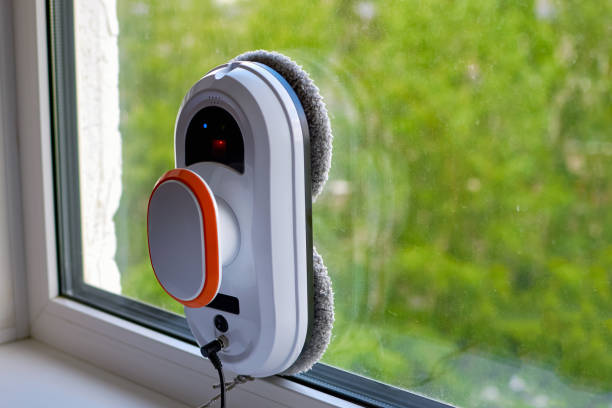
Best Window Robot Cleaner Comparison
Choosing the right window robot cleaner depends on your budget, window type, and cleaning needs. Some models are designed for occasional home use, while others are built for frequent cleaning of large glass surfaces in offices or commercial buildings.
| Feature | Entry-Level | Mid-Range | Premium |
|---|---|---|---|
| Suction Power | Standard | High | Intelligent Adaptive |
| Navigation | Basic | Smart Path | AI Route Planning |
| Auto Water Spray | No | Optional | Yes |
| Remote Control | Yes | Yes | Yes + Mobile App |
| Battery Backup | Basic | Improved | Extended |
| Noise Level | Moderate | Lower | Quiet Operation |
| Best For | Small Homes | Family Homes | Large Glass Areas |
Entry-Level Models
These robots are ideal for homeowners with a limited budget. They can easily remove everyday dust and fingerprints from standard windows but may require multiple cleaning cycles for heavily soiled glass.
Best for:
- Apartments
- Small houses
- Occasional cleaning
- Budget-conscious buyers
Mid-Range Models
Mid-range robotic window cleaner models offer improved navigation, stronger suction, and better cleaning performance. Many include additional cleaning modes that provide more consistent results.
Best for:
- Medium-sized homes
- Weekly cleaning
- Larger windows
- Sliding glass doors
Premium Models
Premium window cleaning robots feature advanced sensors, AI-powered navigation, automatic water spraying, and highly efficient cleaning patterns. They are particularly useful for homes with large glass walls or businesses that require frequent window maintenance.
Best for:
- Luxury homes
- Office buildings
- Glass storefronts
- Hotels
- Commercial properties
Who Should Buy a Window Robot Cleaner?
A window robot cleaner is an excellent investment if you:
- Have large glass windows
- Live in a multi-story home
- Own a high-rise apartment
- Clean windows frequently
- Want to reduce physical effort
- Prefer smart home appliances
- Need a safer alternative to ladders
For homeowners with only a few small windows, traditional cleaning methods may still be sufficient. However, anyone with extensive glass surfaces can save considerable time with a robotic solution.
Maintenance Tips
Proper maintenance helps your automatic window cleaner robot perform efficiently and extends its lifespan.
Clean the Microfiber Pads Regularly
Dirty cleaning pads can leave streaks and reduce cleaning effectiveness. Wash reusable pads after every cleaning session and allow them to dry completely before reuse.
Check the Suction System
Dust buildup around the suction vents can reduce the robot’s ability to stay attached securely. Inspect and clean the suction area periodically.
Replace Worn Pads
Microfiber pads gradually wear out with repeated use. Replacing them when necessary ensures better cleaning performance.
Store Properly
Keep the robot in a dry, dust-free location when not in use. Avoid storing it in areas with excessive moisture or extreme temperatures.
Inspect Safety Accessories
Before each cleaning session, examine the safety rope, power cable, and battery backup to ensure everything is functioning correctly.
Keep Sensors Clean
Dust or fingerprints on navigation sensors may affect movement accuracy. Wipe sensors gently with a soft cloth as part of routine maintenance.
Common Mistakes to Avoid
Even the best cleaning robot window device may not deliver optimal results if used incorrectly.
Avoid these common mistakes:
- Using dirty microfiber pads
- Ignoring maintenance
- Cleaning extremely wet windows
- Forgetting the safety cable
- Using unsuitable cleaning solutions
- Operating on cracked or damaged glass
- Allowing excessive dust to accumulate inside the robot
Taking a few minutes to prepare the robot before each use can improve both cleaning quality and overall safety.
Pros and Cons
Pros
- Saves significant cleaning time
- Improves safety by reducing ladder use
- Cleans large windows efficiently
- Easy to operate
- Consistent cleaning patterns
- Suitable for homes and offices
- Reduces physical effort
- Supports modern smart-home lifestyles
Cons
- Higher initial purchase cost
- Not ideal for heavily stained windows without pre-cleaning
- Performance varies by model
- Requires regular pad cleaning
- Some models produce noticeable operating noise
Frequently Asked Questions
Are window robot cleaners worth buying?
Yes. If your home or office has many glass surfaces, a window robot cleaner can save time, improve safety, and simplify routine maintenance.
Can robotic window cleaners clean frameless glass?
Many premium models include edge-detection technology that allows them to clean frameless glass safely. Always check the manufacturer’s specifications before purchasing.
Do window cleaning robots leave streaks?
When used with clean microfiber pads and an appropriate cleaning solution, quality robots can deliver streak-free results. Dirty pads or excessive cleaning liquid may reduce performance.
Can they clean outdoor windows?
Yes. Most models are designed for both indoor and outdoor use, provided they are connected to a power source and secured with the included safety rope.
Are they safe?
Modern robotic window cleaners include multiple safety features such as powerful suction, backup batteries, anti-fall sensors, and safety ropes, making them much safer than manual ladder cleaning.
How often should windows be cleaned?
For most homes, cleaning windows every one to three months is sufficient. Homes near busy roads, construction sites, or coastal areas may require more frequent cleaning due to increased dust and debris.
Can they remove stubborn stains?
They are highly effective for everyday dust, fingerprints, and light dirt. For dried paint, heavy mineral deposits, or stubborn stains, manual pre-cleaning may be necessary.
Final Verdict
A window robot cleaner is one of the most practical smart home appliances for anyone with large or hard-to-reach glass surfaces. It reduces the effort required for routine window maintenance while improving safety and delivering consistent cleaning results.
Whether you choose an entry-level model for occasional household use or a premium robotic system with AI navigation and automatic spraying, investing in a quality robotic window cleaner can save valuable time and make window cleaning far more convenient.
Before purchasing, compare suction power, navigation technology, safety features, battery backup, and cleaning modes to ensure you select the model that best fits your home or workplace. A well-chosen window cleaning robot can provide years of reliable service with minimal maintenance.
