


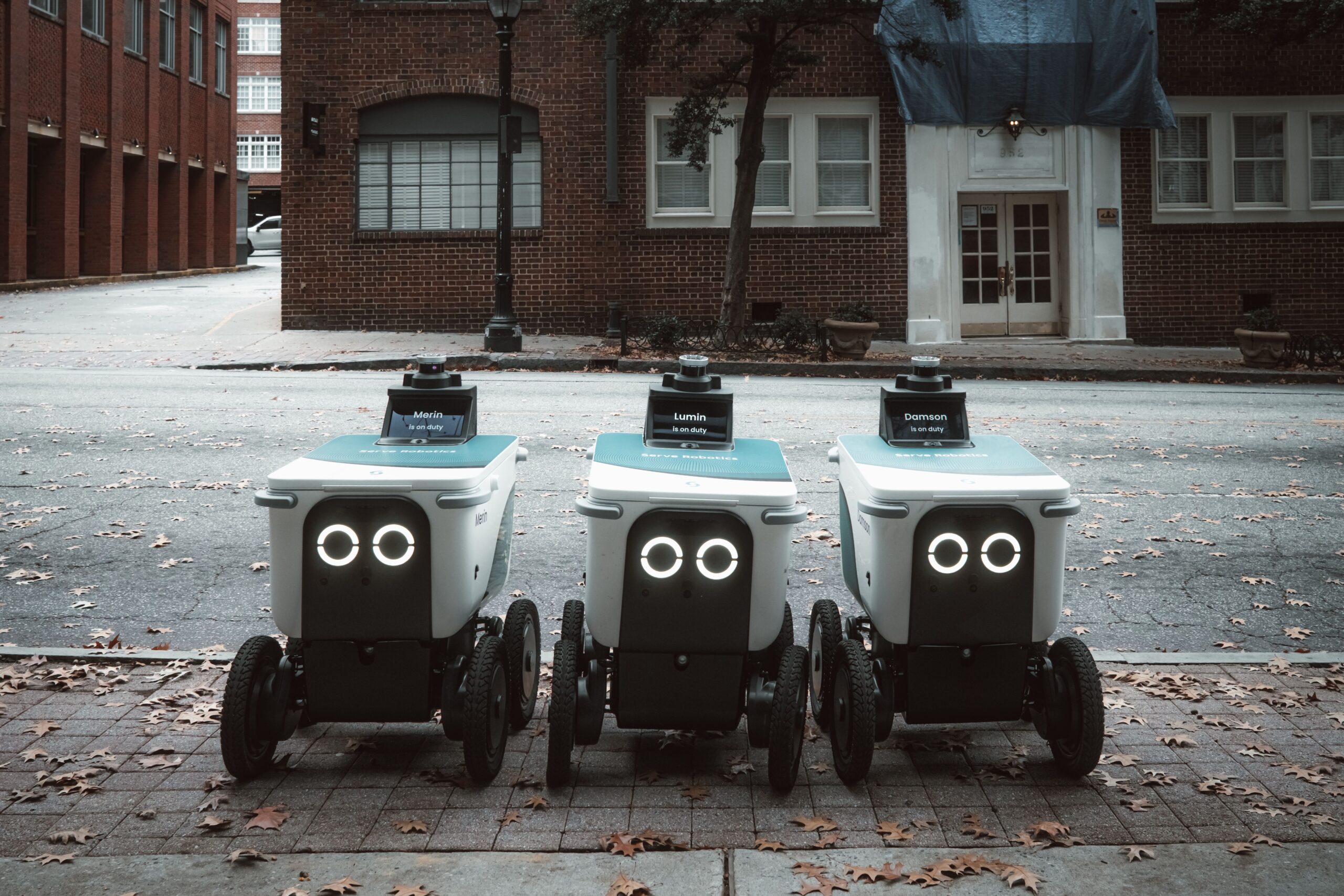
Explore how robots in logistics are revolutionizing the operation of warehouses, supply chains, and fulfillment centers. Discover autonomous mobile robots, warehouse automation robots, packaging robots, advantages, drawbacks, and future trends in logistics.
The modern supply chain is transforming at a breakneck pace, and robotics in logistics is right in the midst of this change. From autonomous mobile robots moving products around to smart packaging systems that help businesses pack goods, robots are giving enterprises the opportunity to not only speed up order fulfillment but also reduce costs.
Growing e-commerce demand, lack of labor availability, and increasing customer expectations have forced logistics providers to use automated solutions that can work 24/7 with fewer errors. As a result, logistics companies are investing heavily in warehouse automation, AMRs, robotized picking systems, and AI inventory management systems to boost productivity.
Whether you manage a warehouse, run a distribution center, or just want to learn more about the trends in supply chain technology, this guide explains how robots are changing logistics and how companies worldwide are adopting automation.
Contents Page
- What Does Robotics Mean in Logistics?
- Reasons Behind Logistics Firms’ Investment in Robotics
- Robotics in Logistics in Different Formats
- AMR Robotics Explained
- Automation in Warehousing
- Package Handling Robot
-
Advantages of Robotics in Logistics
What is Robotics in Logistics?
Robotics in logistics describes the use of automated robotic systems and technologies of intelligent automation in enhancing the performances of warehouses, transportation, inventory control, shipment of goods, packing, and distribution.
Modern logistics robots differ from traditional automation in that they do more than just repetitive work. They apply artificial intelligence technologies, sensors, cameras, computer vision, and real-time navigation for decision-making while working with people.
Today’s logistics robots can:
- Move items across different warehouses
- Select products from storage units
- Separate packages automatically
- Examine items immediately
- Load and unload goods
- Pack products for dispatching
- Aid warehouse personnel securely
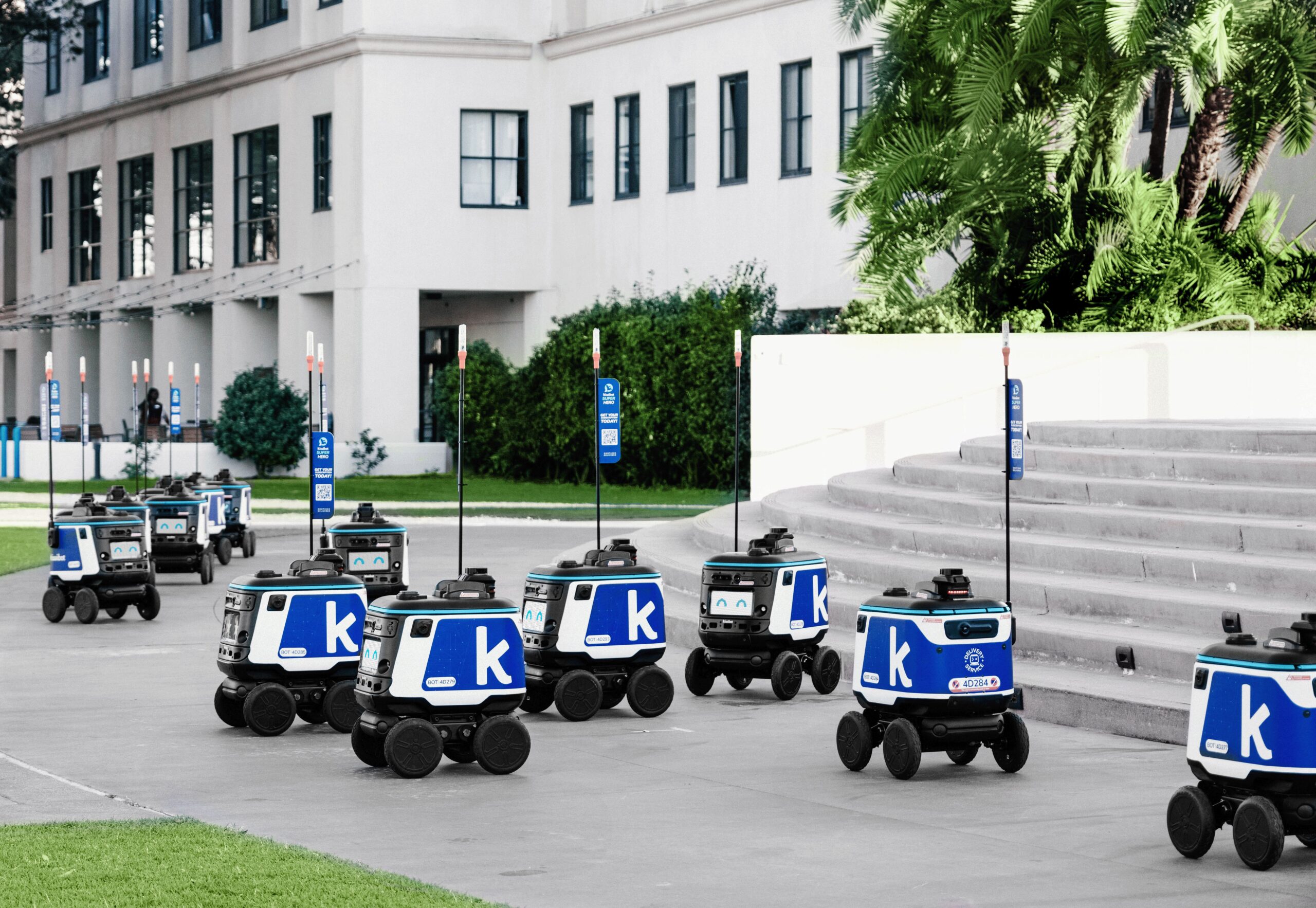
The Reasons Behind the Investments of Logistics Companies in Robotics
In terms of automation value, the logistics sector goes through a lot of hurdles.
Increased Demand for e–Commerce
Shopping through the Internet is continually increasing all over the globe. Moreover, users are accustomed to getting parcels the same or the next day after placing their orders; therefore, warehouses need to process lots of orders within a short amount of time. Robotics enables the logistics companies to satisfy the growing demands while not significantly increasing labor costs.
Labor Shortfalls
Numerous warehouses encounter difficulties in obtaining and keeping the employees they require for rigorous labor. Robotics helps to fill the gaps in labor by doing menial jobs so that the workers can take on more relevant tasks like supervising the quality, providing customer service, as well as assisting in the management of the warehouse.
More Rapid Fulfillment of Orders
Increased precision
Dealing in picking manually generates mistakes.
Decreased Cost of operation
Even though business companies must pay for robotic systems at their incorporation stage, businesses usually make savings in a long run with the help of robotic systems that ensure:
- Less labor spendings;
- Less shipping mistakes;
- Less damaged goods;
- Better inventory management;
- More warehousing efficiency;
-
Possibility to operate 24/7.
Logistics Robots Categories
Different warehouses operate differently based on their structure, stock, and goals, therefore they need specific robots.
Mobile Autonomous Robots (MARs)
Typical tasks include:
- Inventory transport
- Order fulfillment
- Material movement
- Replenishment
- Inventory scanning
Automated Guided Vehicles (AGVs)
Unlike AMRs, AGVs usually follow predefined routes using magnetic strips, QR codes, or guidance systems.
They are commonly used for:
- Pallet transport
- Manufacturing logistics
- Heavy material movement
- Warehouse transportation
Robotic Picking Systems
These robots identify products using computer vision before picking them with robotic arms equipped with advanced grippers.
Applications include:
- Grocery fulfillment
- E-commerce warehouses
- Pharmaceutical distribution
- Retail logistics
Robotic Sorting Systems
Sorting robots automatically direct packages toward the correct shipping destination.
They improve:
- Shipping speed
- Delivery accuracy
- Distribution efficiency
Inventory Robots
Inventory robots move through warehouse aisles scanning shelves to monitor stock levels in real time.
Benefits include:
- Accurate inventory tracking
- Faster stock audits
- Reduced human error
- Better inventory planning
The Introduction of AMR Robots
AMR Robots have brought a breakthrough in the automation of logistics.
An Autonomous Mobile Robot (AMR) is defined as a type of robot that can navigate in an environment on its own, without requiring tracks or magnetic influence to get around.
- LiDAR sensors
- Cameras
- Artificial intelligence
- Machine learning
- 3D mapping
- Obstacle detection
These technologies allow robots to safely operate alongside human workers while adapting to changing warehouse layouts.
How AMRs Improve Warehouse Operations
AMRs significantly reduce the amount of time employees spend walking between storage locations.
Instead of workers traveling long distances, robots transport inventory directly to picking stations.
This increases:
- Order accuracy
- Productivity
- Worker safety
- Fulfillment speed
AMRs also help businesses scale operations during seasonal demand spikes without major infrastructure changes.
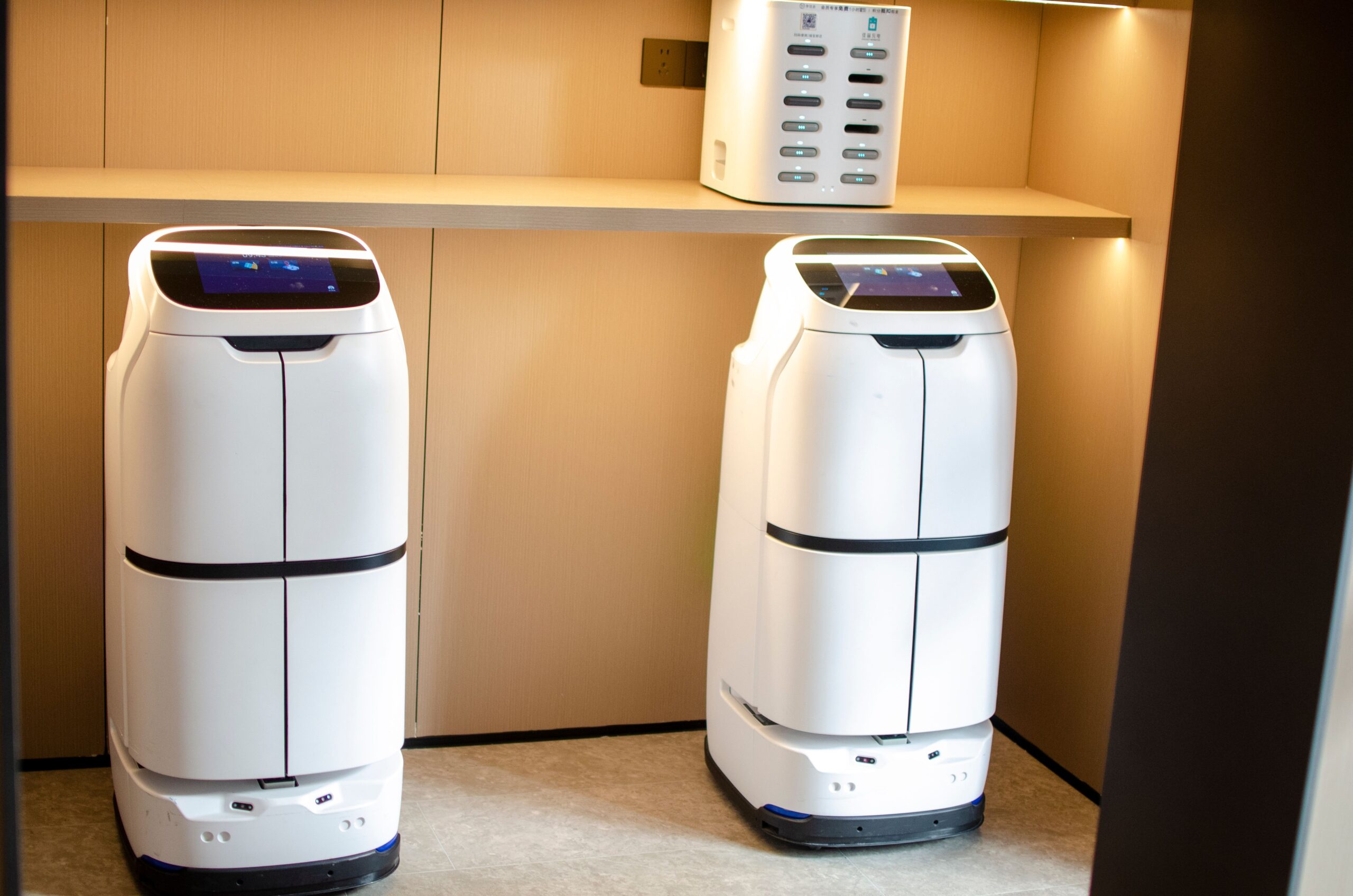
Robots for warehouse automation
Robots of warehouse automation are meant to make repetitive warehouse activities easier and improve the entire effectiveness of the operations. The robots have the ability to accomplish several tasks at once to boost the efficiency of warehouse functioning.
Common warehouse automation robots include:
Robots for Picking
A system of picking robots uses artificial intelligence in combination with cameras for identifying goods before they are loaded into containers.
Robots for Handling Cargo
Handling robots transport boxes, skid loads, or stock in warehouses and shipping centers.
Robots for Applying Pallets
Inventory Robots
Autonomous inventory robots scan the shelves of warehouses continuously to enable managers to keep precise records of stock levels.
Collaborative Robots
Also called cobots, collaborative robots work together with staff in warehouses to assist in repetitive duties while ensuring maximum safety of operations. These robotic systems ensure warehouses operate efficiently by processing large volumes of orders from clients daily.
Robots for Packaging
The packaging process is a labor intensive process for warehouses. Modern automated packaging robots have shortened the duration of the process and improved the consistency of the outcome.
The functions performed by packaging robots include:
- Making shipping boxes
- Packing items in boxes
- Providing protection for the goods
- Sealing the boxes
- Printing shipping labels
- Monitoring the package quality
-
Creating pallets prior to shipping
Benefits of Robotics in Logistics
Companies adopting robotics gain advantages that extend beyond faster warehouse operations.
Higher Productivity
Robots operate continuously with minimal downtime, enabling warehouses to process significantly more orders each day.
Better Accuracy
AI-powered robots reduce picking, sorting, and packaging errors, leading to higher customer satisfaction and fewer returns.
Improved Worker Safety
Robots handle heavy lifting and repetitive movements, reducing workplace injuries and allowing employees to focus on more complex tasks.
Faster Deliveries
Automation shortens order processing times, helping businesses meet growing customer expectations for rapid shipping.
Lower Operational Costs
While implementation requires upfront investment, robotics often reduces long-term costs through improved efficiency, fewer errors, optimized inventory management, and lower maintenance compared to manual processes.
Scalability
Robotic systems can be expanded as business needs grow, making them suitable for both medium-sized warehouses and large distribution centers.
Real-Time Visibility
Many logistics robots integrate with warehouse management systems, providing live inventory updates, operational insights, and performance analytics that support smarter business decisions.
As supply chains become more complex, robotics provides organizations with the flexibility and resilience needed to remain competitive in an increasingly fast-moving global market.
