


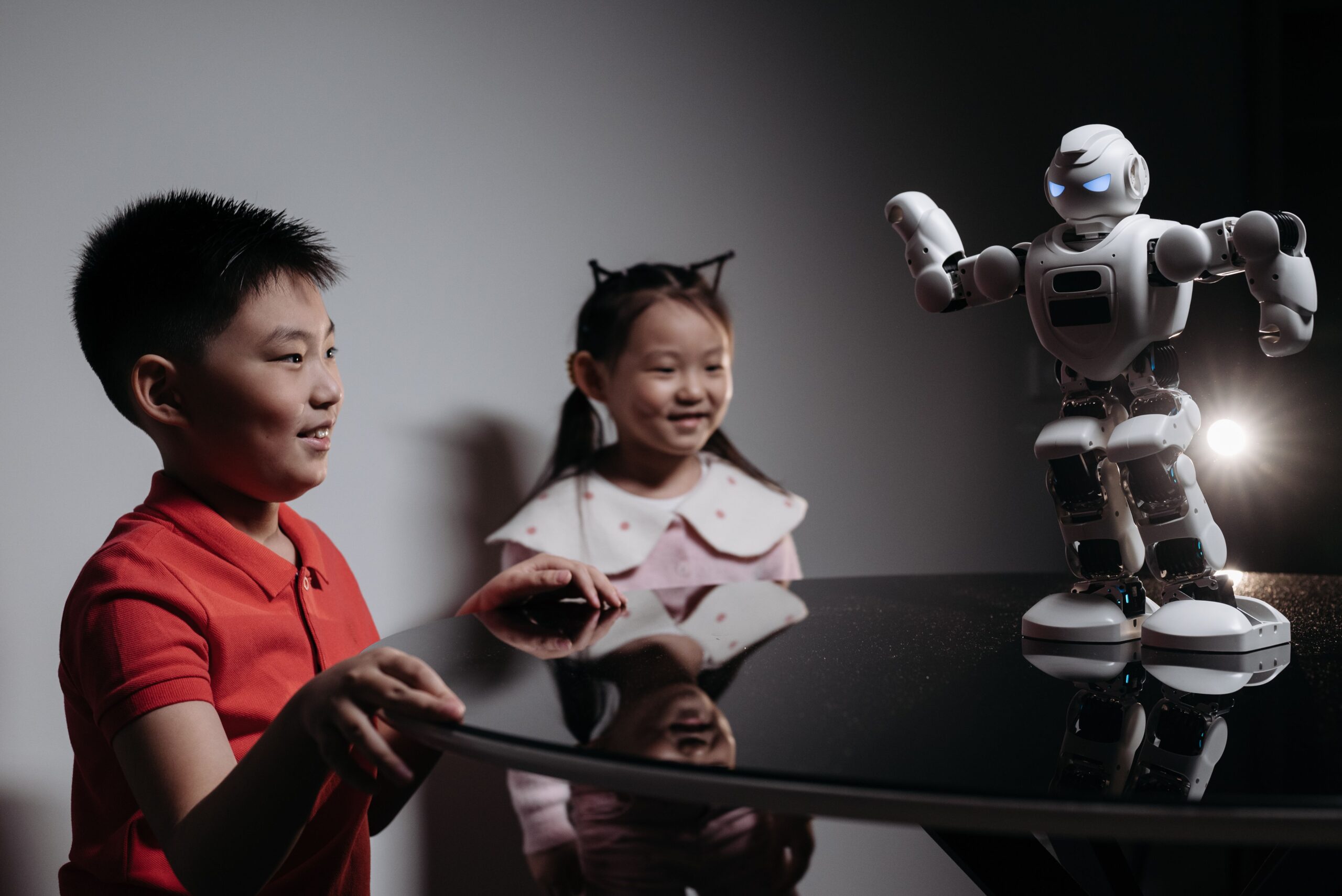
STEM Robotics: An Unmatched Guide for Learning, Career, and Education
STEM robotics is changing how people learn about science, technology, engineering, and mathematics. Instead of only reading about various concepts from textbooks, students build, program, and test robots to address real-life issues. Robotics is quickly becoming the most interesting field of STEM education, starting from primary schools to universities and training centers.
The growing need for automation, AI technologies, and smart machines has created the need for robotics experts. If someone is thinking of a career in robotics, now they can participate in various competitions in robotics, apply for engineering programs, and engage in hands-on learning via platforms like VEX Robotics.
Whether you consider yourself a student who needs to plan the future, a parent who wants to find educational options for a child, or a teacher who wants to enhance engagement in a classroom, this guide has all the right answers you need about the education and career options in robotics.
What Is STEM Robotics?
STEM robotics incorporates four key areas of study:
- Science
- Technology
- Engineering
- Mathematics
Students integrate these fields to create robots that can be programmed to perform certain tasks. Instead of relying on textbooks, robotics promotes experimentation. Students learn things by trial and error as they design and build robots, gaining practical skills in the process.
Today, schools worldwide use robotics kits and coding platforms to prepare students for careers in engineering, manufacturing, healthcare, artificial intelligence, and automation.
Importance of STEM Robotics Today
Technology is modernizing virtually every sector in the industry and forcing the companies to turn to robotics to improve productivity, contain costs, and eliminate intricate problems.
Studying robotics at an early stage prepares students with the following skills:
- Acquaintance with computer programs
- Development of logical reasoning
- Engineers’ training
- Communication and ability to work in teams
- Cultivation of creativity
- Self–confident solving of real-life problems
Skills obtained can be useful for students not only if they become engineers and software developers but also other professions including health specialists or businessmen.
The Growth of Robotics Education
Over the past decade, robotics education has expanded rapidly.
Educational institutions are putting money into robotics labs, coding societies, engineering sessions, and out–of–class challenges.
Benefits for students include:
- Robotics clubs
- National competitions in robotics
- Online venues in coding
- Robotics labs in universities
- Guidance programs from the industry
- Educational robot systems
Due to the need for employees with automation and programming skills, several countries have incorporated robotics in STEM education systems.
Benefits of Learning Robotics
Learning robotics offers far more than technical knowledge.
Better Problem-Solving Skills
Every robotics project involves identifying problems, testing solutions, and improving designs.
Students naturally develop analytical thinking.
Hands-On Engineering Experience
Rather than memorizing formulas, learners apply engineering concepts by building functioning robots.
They understand mechanics, electronics, sensors, motors, and programming in practical situations.
Improved Coding Skills
Most educational robots require programming.
Students learn languages such as:
- Scratch
- Python
- C++
- Java
- Blockly
These programming skills remain valuable across many technology careers.
Strong Teamwork
Robotics projects often require collaboration.
Students learn how to:
- Share ideas
- Divide responsibilities
- Solve conflicts
- Present solutions
- Meet deadlines
These soft skills are highly valued in every profession.
Increased Creativity
Robotics has no single correct solution.
Students experiment with different designs until they find the best approach.
This creative process encourages innovation and independent thinking.
Robotics Education Pathways
Students interested in robotics have several educational options depending on their age and career goals.
Elementary School
Children begin learning through:
- Simple robots
- Block-based coding
- Basic sensors
- Creative challenges
The goal is to develop curiosity rather than technical expertise.
Middle School
Students begin learning:
- Engineering basics
- Robot construction
- Programming logic
- Mechanical design
- Team competitions
Many schools introduce VEX Robotics during this stage.
High School
Advanced students explore:
- Electronics
- Artificial intelligence
- Computer vision
- Python programming
- Mechanical engineering
- Autonomous robots
Many students also participate in robotics competitions that strengthen college applications.
College and University
Universities offer specialized robotics engineering degree programs or robotics concentrations within engineering and computer science.
Students study subjects such as:
- Machine learning
- Embedded systems
- Robotics software
- Automation
- Mechatronics
- Industrial robotics
- Artificial intelligence
Graduates become highly qualified for robotics careers.
Choosing the Right Robotics Degree
A robotics degree prepares students for careers involving intelligent machines and automation.
Common degree options include:
Bachelor’s Degree
Typically focuses on:
- Mechanical engineering
- Electrical engineering
- Computer science
- Robotics programming
- Automation systems
Master’s Degree
Students specialize in:
- Artificial intelligence
- Autonomous robots
- Industrial automation
- Medical robotics
- Human-robot interaction
Doctoral Degree
Research areas include:
- Advanced AI
- Robotic vision
- Space robotics
- Surgical robotics
- Swarm robotics
Graduates often work in research institutions, universities, or technology companies.
Careers in STEM Robotics
Robotics offers exciting career opportunities across many industries.
Robotics Engineer
Designs and develops robotic systems used in manufacturing, healthcare, logistics, agriculture, and defense.
Skills required:
- Programming
- CAD design
- Electronics
- AI
- Mechanical engineering
Robotics Technician
A robotics technician installs, maintains, repairs, and troubleshoots robotic equipment.
Responsibilities include:
- Equipment maintenance
- System testing
- Calibration
- Hardware replacement
- Technical support
This role is ideal for individuals who enjoy hands-on technical work.
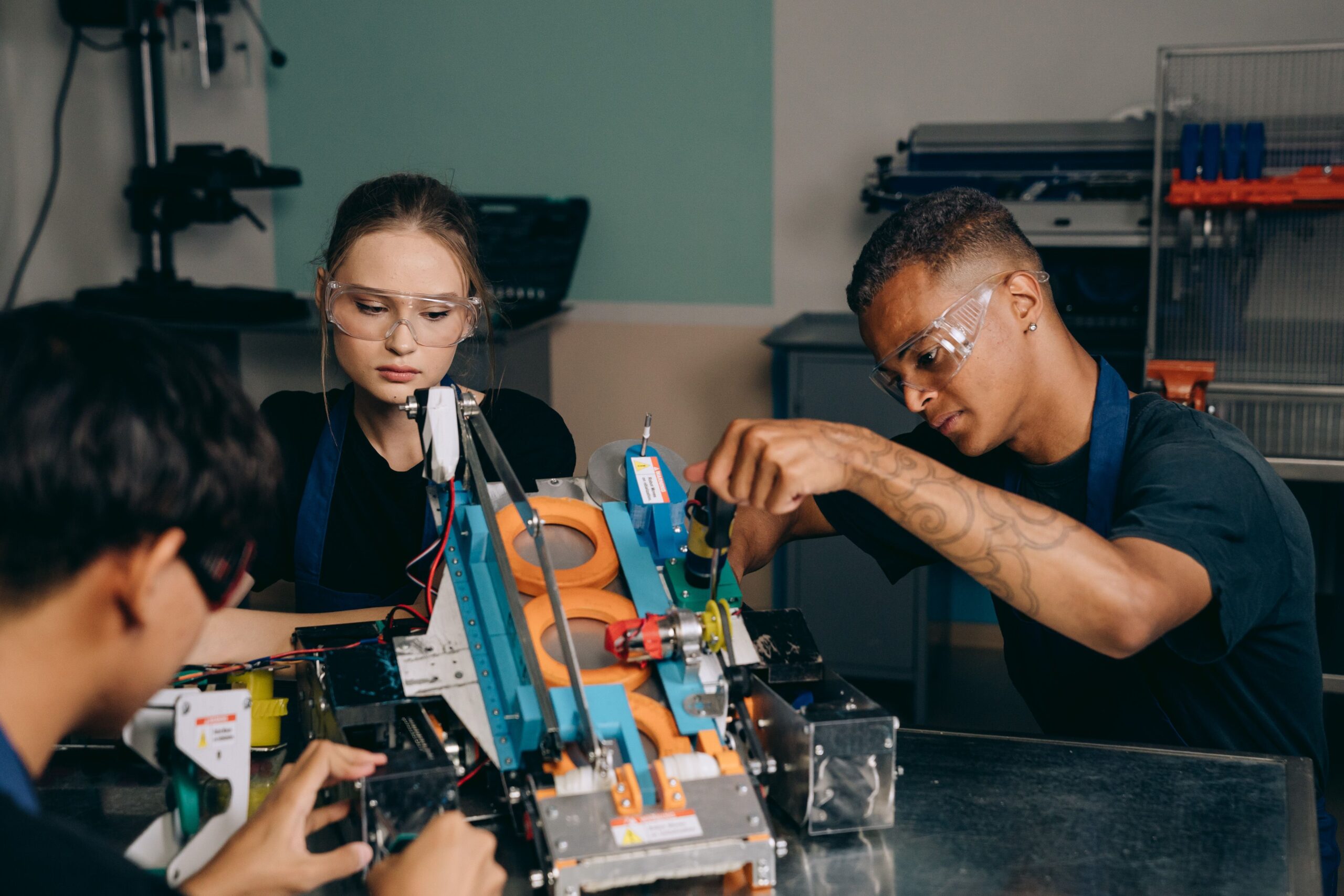
Robotics Specialists
Robotics specialists work in industries implementing automation solutions.
Their responsibilities include:
- System integration
- Robot programming
- Performance optimization
- Employee training
- Automation planning
These professionals help organizations improve productivity through robotics.
AI and Machine Learning Engineer
Modern robots increasingly depend on artificial intelligence.
AI engineers develop software enabling robots to:
- Recognize objects
- Make decisions
- Learn from data
- Navigate environments
- Interact safely with humans
Automation Engineer
Automation engineers design systems that improve manufacturing efficiency using robotics, sensors, and industrial software.
Skills Every Robotics Student Should Learn
Success in robotics requires both technical and interpersonal skills.
Important technical skills include:
- Python programming
- C++
- Electronics
- Mechanical design
- CAD software
- Artificial intelligence
- Embedded systems
- Sensors
- Microcontrollers
- Mathematics
Soft skills include:
- Communication
- Leadership
- Teamwork
- Critical thinking
- Time management
- Adaptability
Robotics Learning Resources
Students can continue robotics learning beyond the classroom through:
- Online coding courses
- Robotics competitions
- Open-source projects
- YouTube tutorials
- STEM workshops
- Community maker spaces
- School robotics clubs
Regular practice is the fastest way to build confidence and technical ability.
